



 The Quiet Cabinet

Free to download
Vintage butterfly plates
The old natural history plates the game’s butterflies come from, whole and at full size. They’re in the public domain: download, print and use them as you like.
The plates
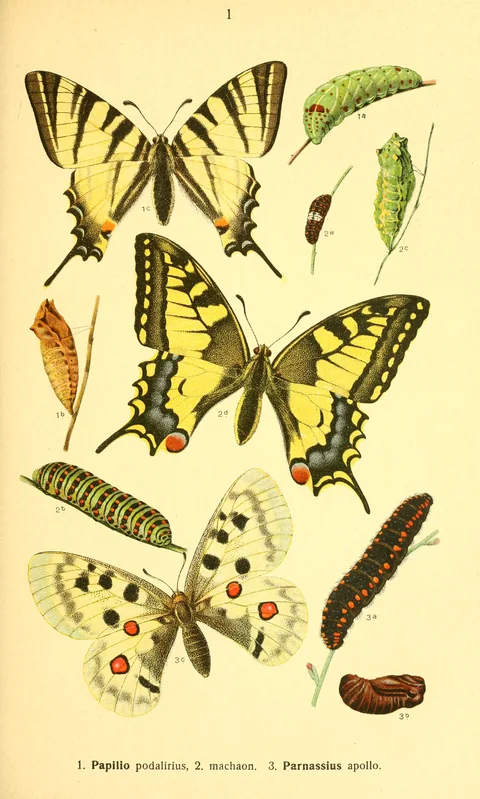
Eckstein, plate 1
The Scarce Swallowtail, the Swallowtail and the Apollo
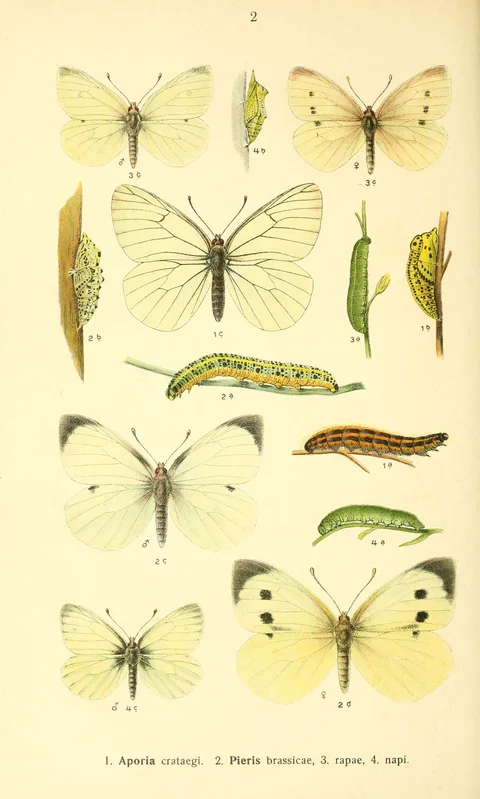
Eckstein, plate 2
The Black-veined White and the cabbage whites
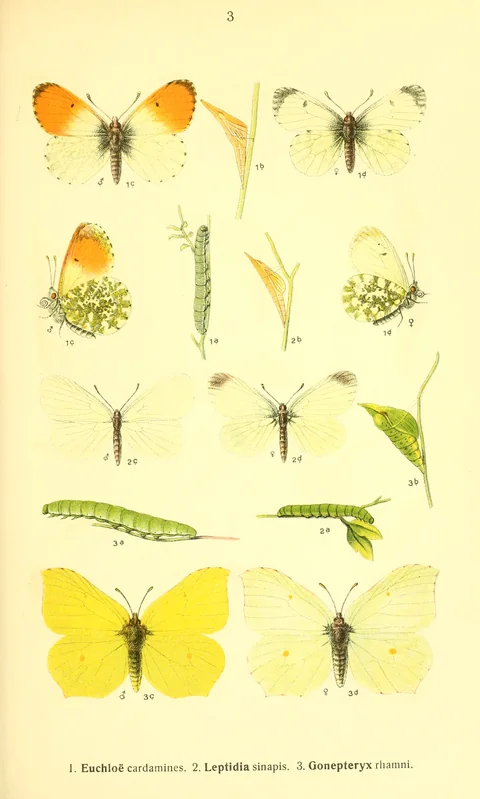
Eckstein, plate 3
The Orange-tip, the Wood White and the Brimstone
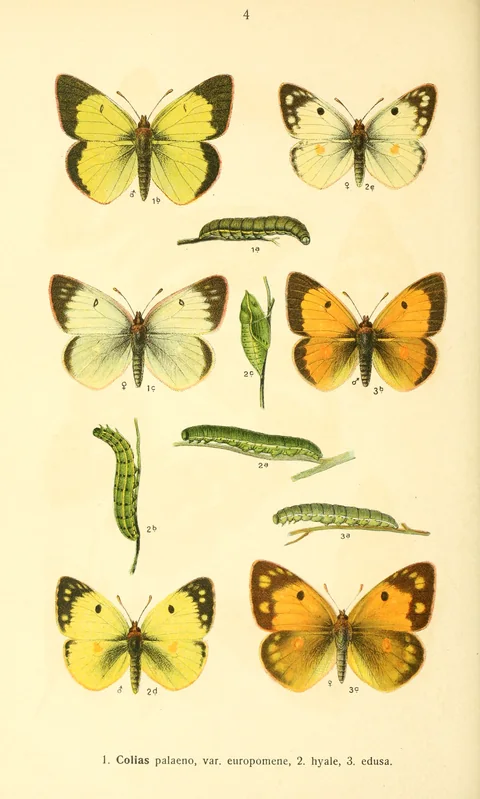
Eckstein, plate 4
The clouded yellows
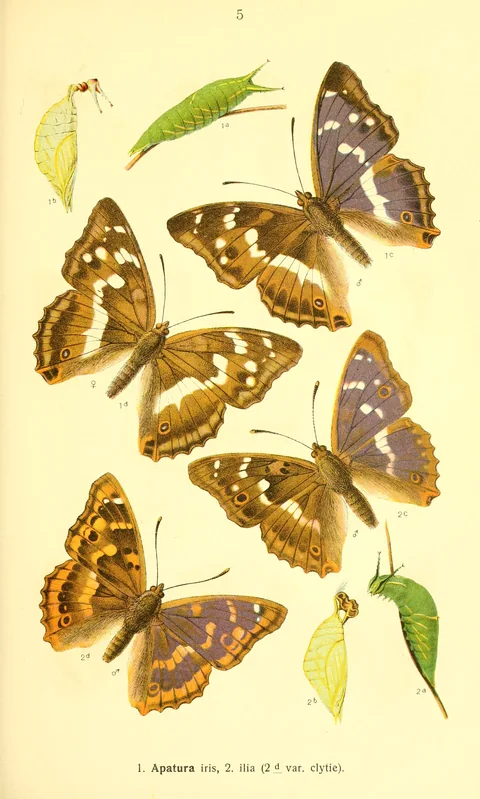
Eckstein, plate 5
The Purple Emperor and the Lesser Purple Emperor
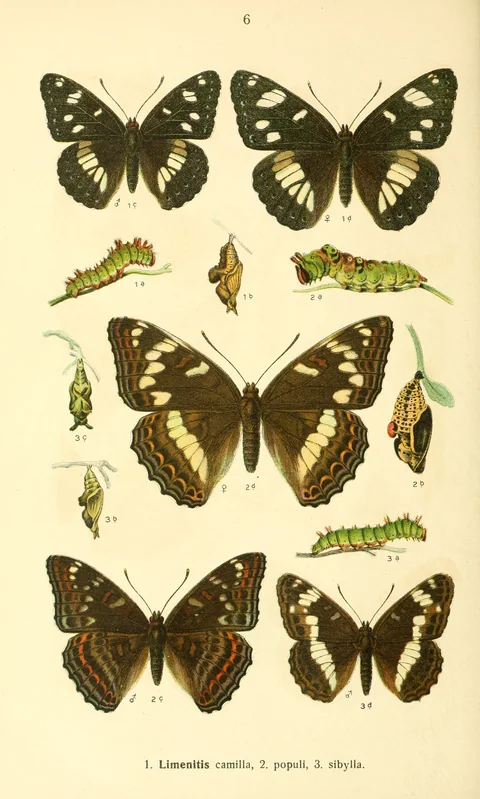
Eckstein, plate 6
The Southern White Admiral, the Poplar Admiral and the White Admiral
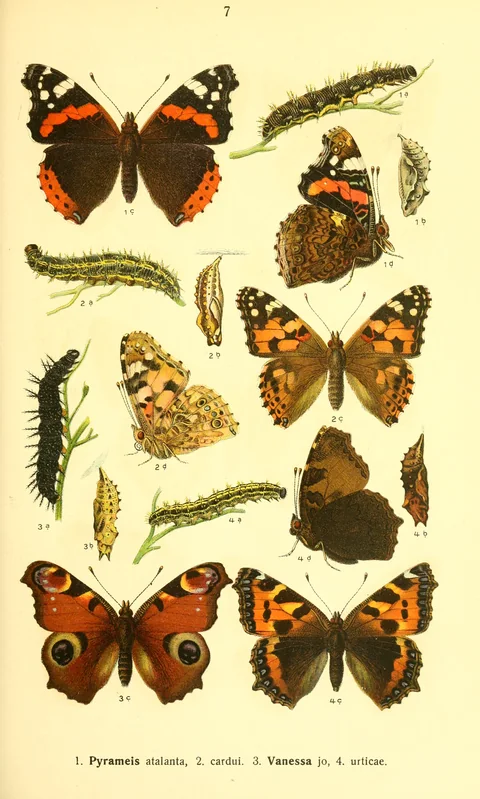
Eckstein, plate 7
The Red Admiral, the Painted Lady, the Peacock and the Small Tortoiseshell
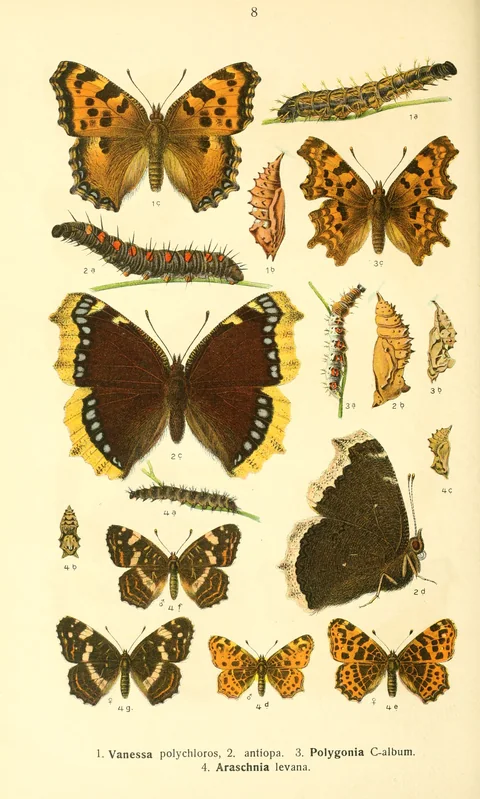
Eckstein, plate 8
The Large Tortoiseshell, the Camberwell Beauty, the Comma and the Map
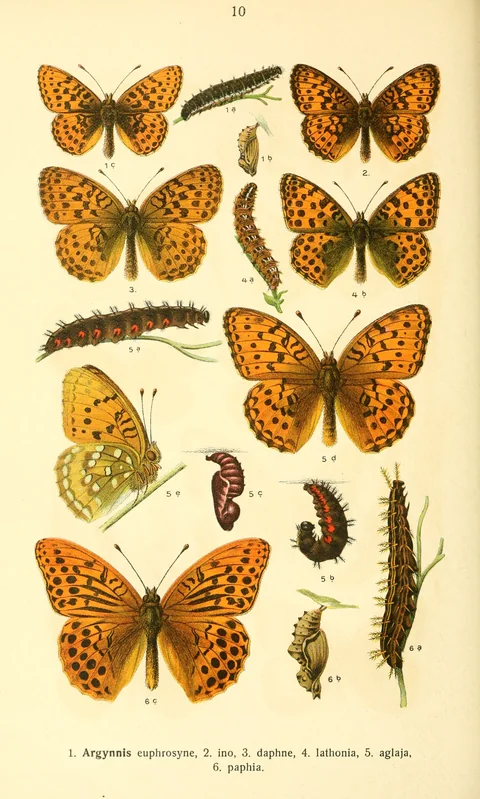
Eckstein, plate 10
Fritillaries, among them the Dark Green Fritillary
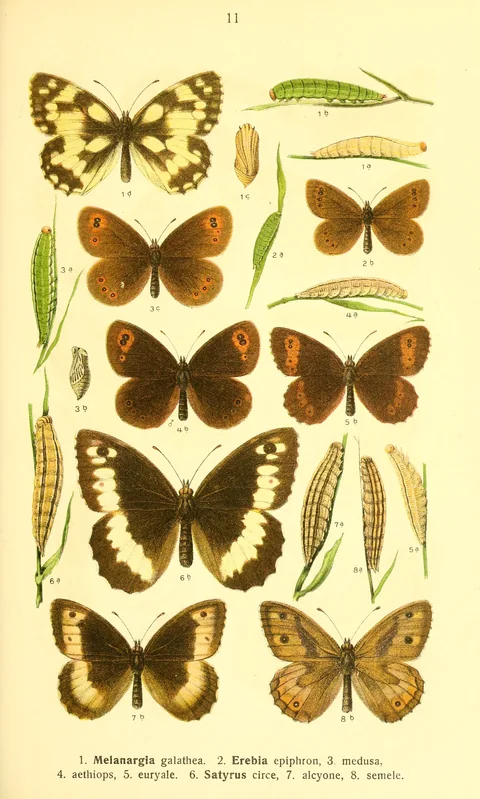
Eckstein, plate 11
The Marbled White, the mountain ringlets and the graylings
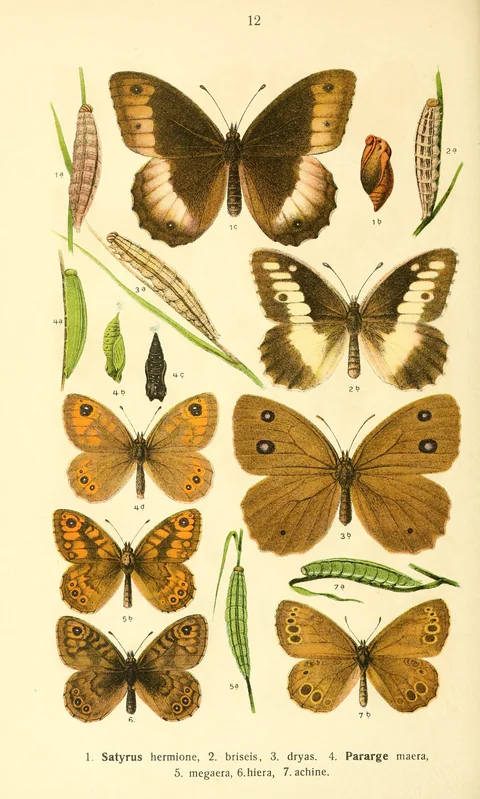
Eckstein, plate 12
The Wall, the Dryad and other graylings and browns
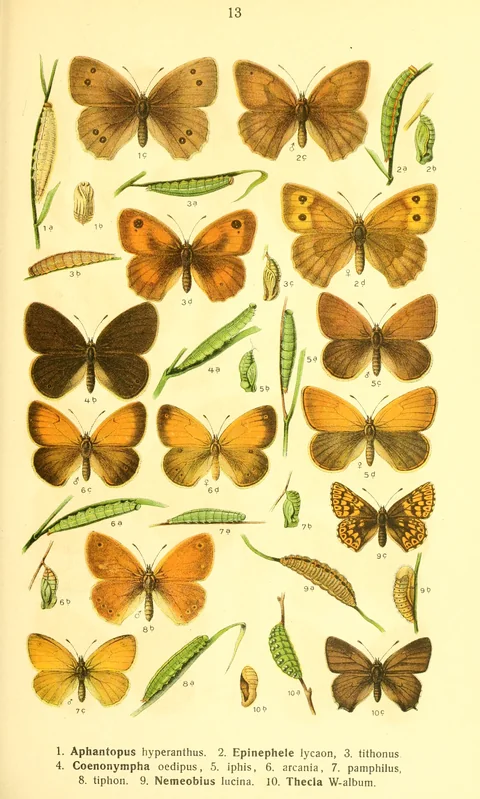
Eckstein, plate 13
The Ringlet, the Gatekeeper and the heaths
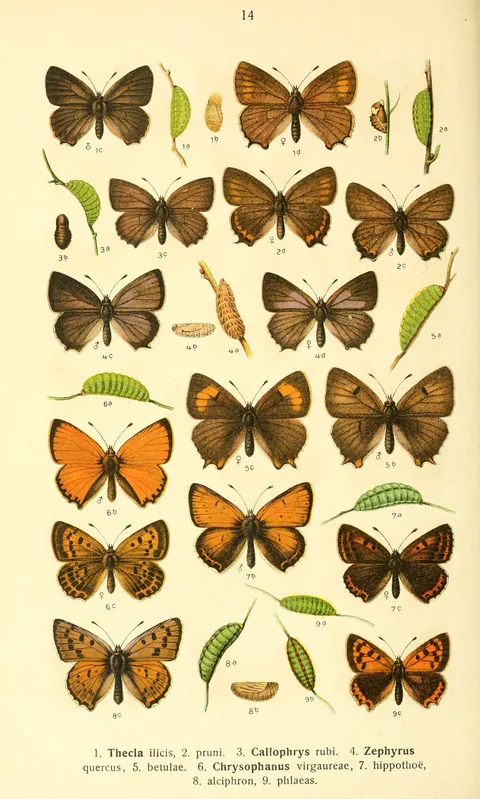
Eckstein, plate 14
Hairstreaks and coppers, among them the Small Copper
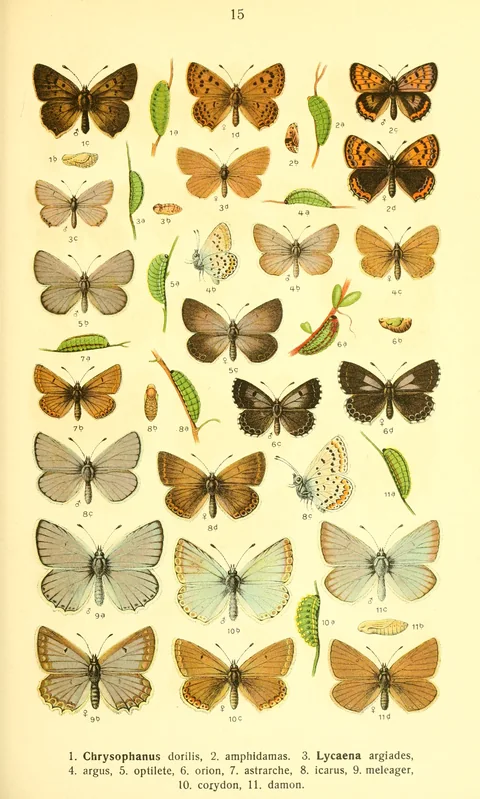
Eckstein, plate 15
Coppers and blues, among them the Common Blue
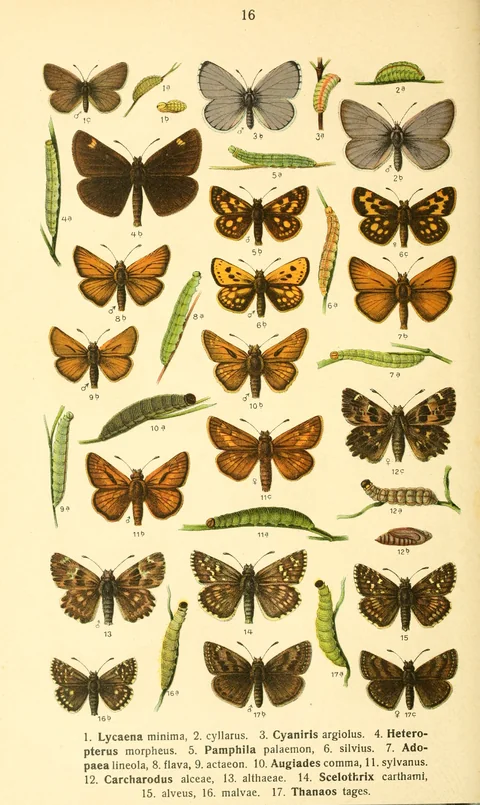
Eckstein, plate 16
Small blues and the skippers
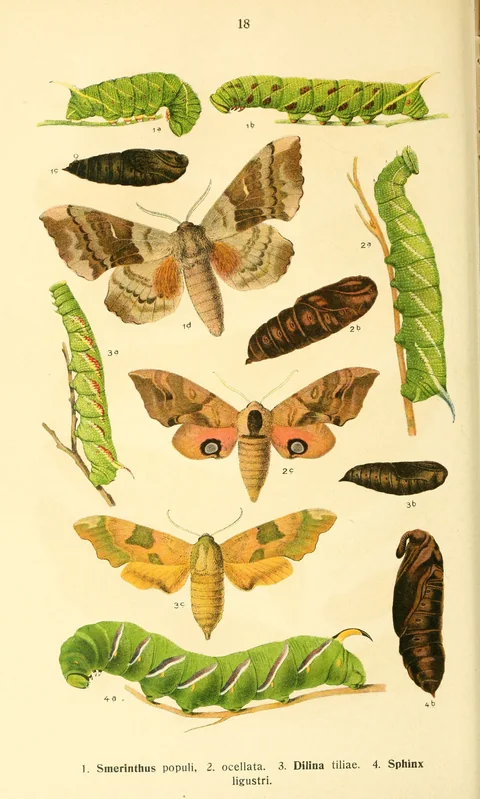
Eckstein, plate 18
The Poplar, Eyed and Lime Hawk-moths, and the Privet Hawk-moth's caterpillar
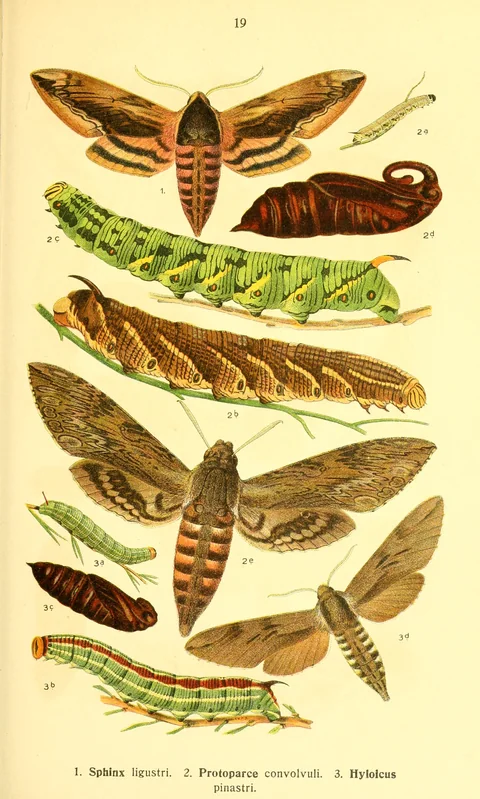
Eckstein, plate 19
The Privet, Convolvulus and Pine Hawk-moths
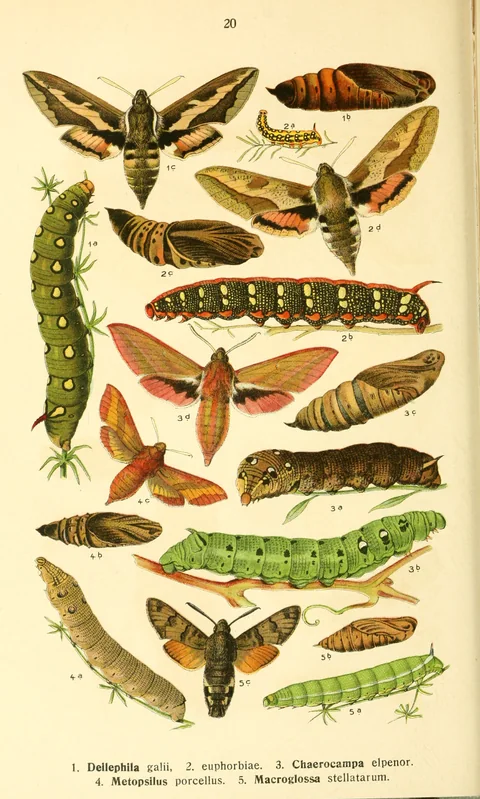
Eckstein, plate 20
Hawk-moths, among them the Hummingbird Hawk-moth
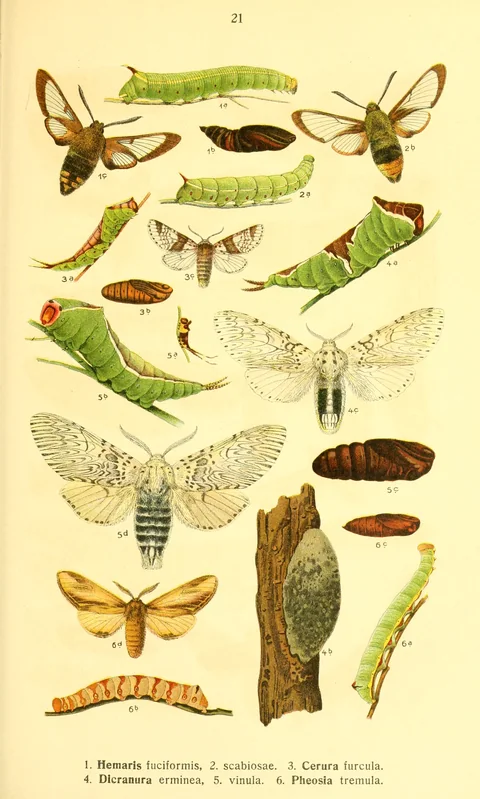
Eckstein, plate 21
The bee hawk-moths, the kittens and the Puss Moth
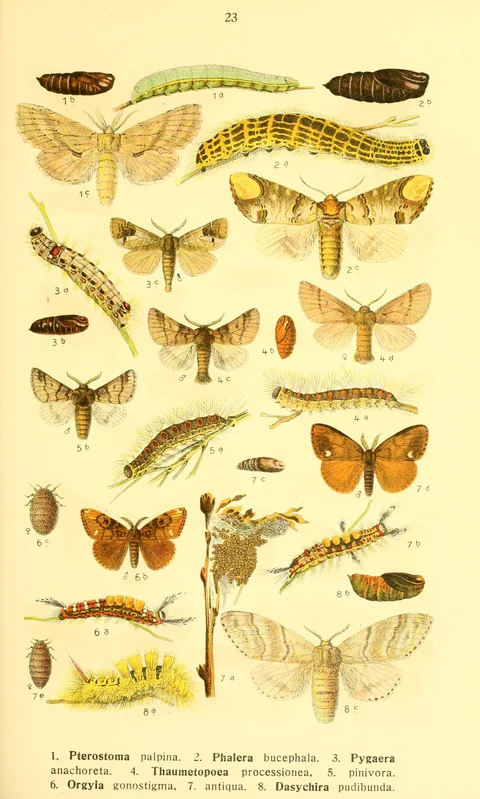
Eckstein, plate 23
The Buff-tip, prominents, processionaries and tussock moths
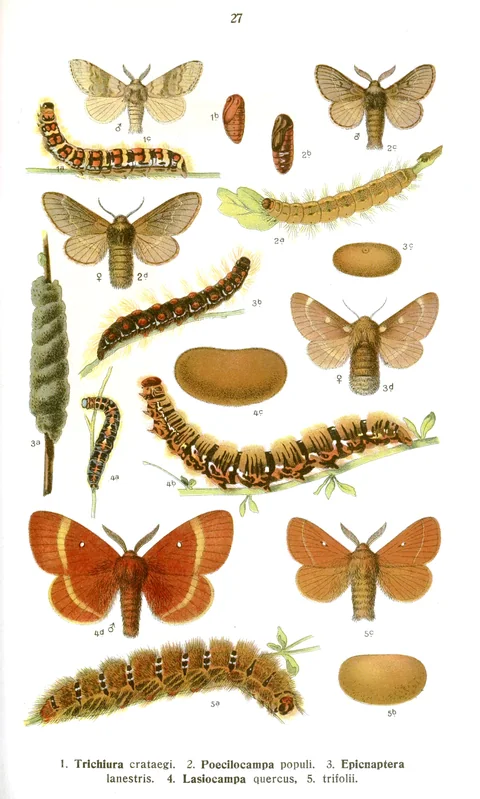
Eckstein, plate 27
The Oak Eggar and other eggar moths
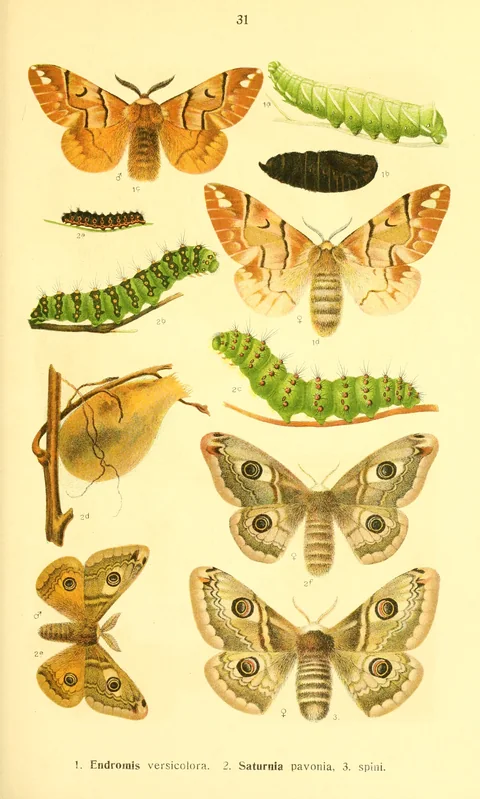
Eckstein, plate 31
The Kentish Glory and the Emperor Moth
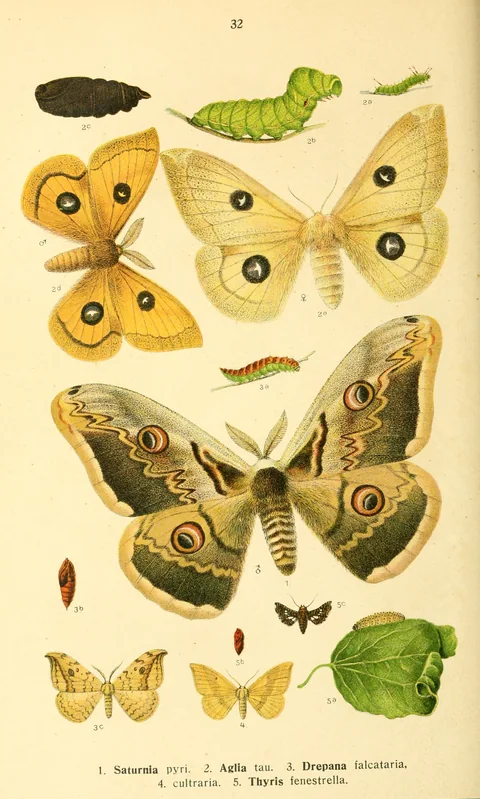
Eckstein, plate 32
The Great Peacock Moth, the Tau Emperor and the hook-tips
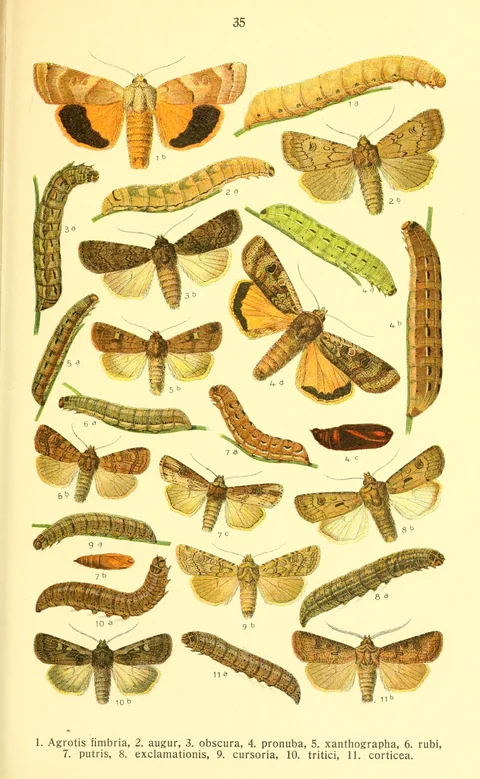
Eckstein, plate 35
Yellow underwings, darts and rustics
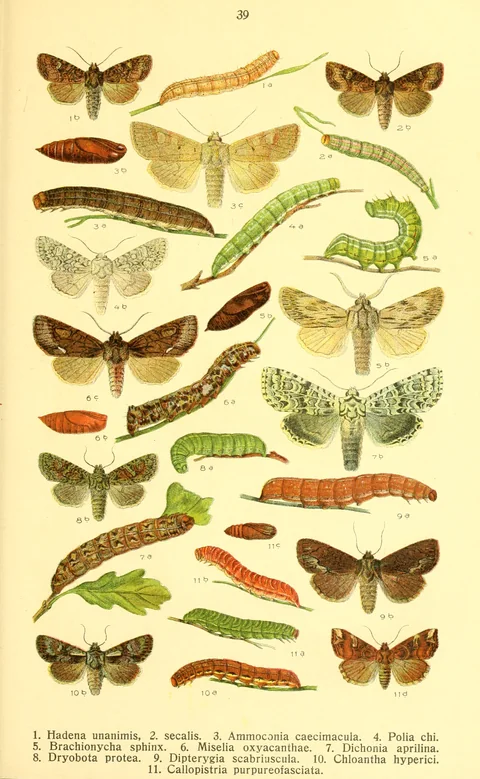
Eckstein, plate 39
The Merveille du Jour and other noctuid moths
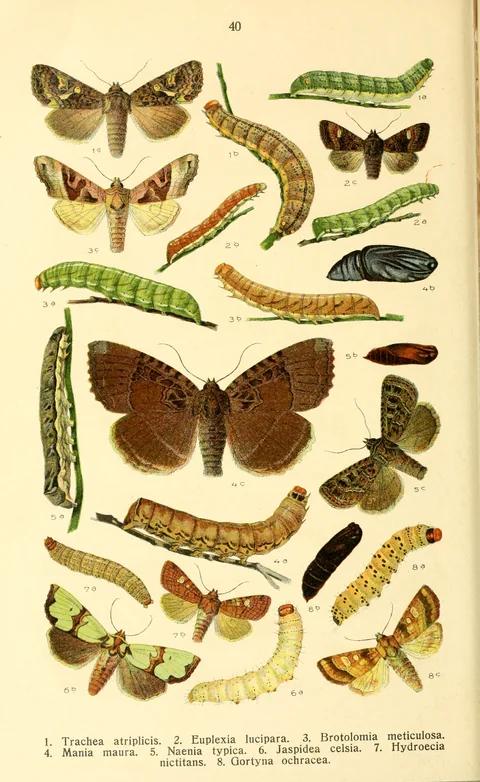
Eckstein, plate 40
The Old Lady, the Angle Shades and other noctuid moths
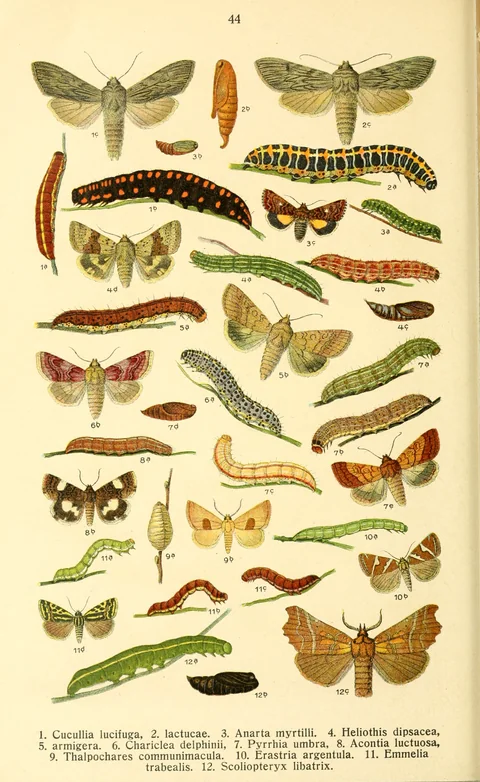
Eckstein, plate 44
The Herald and other noctuid moths
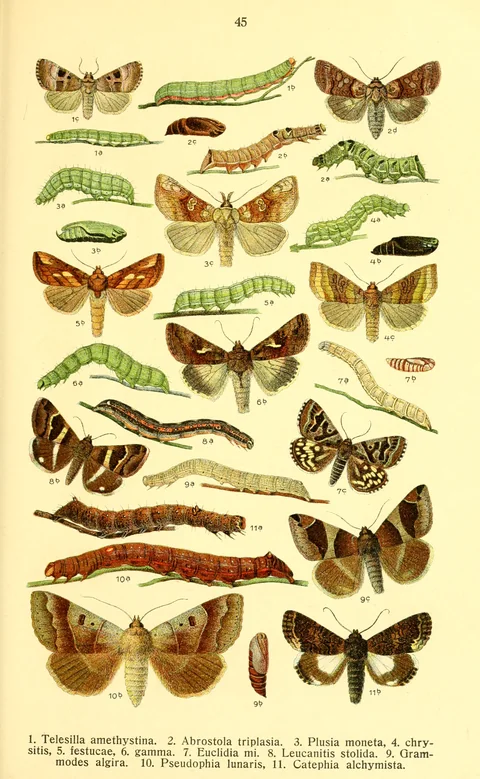
Eckstein, plate 45
The Mother Shipton, the Silver Y and other noctuid moths
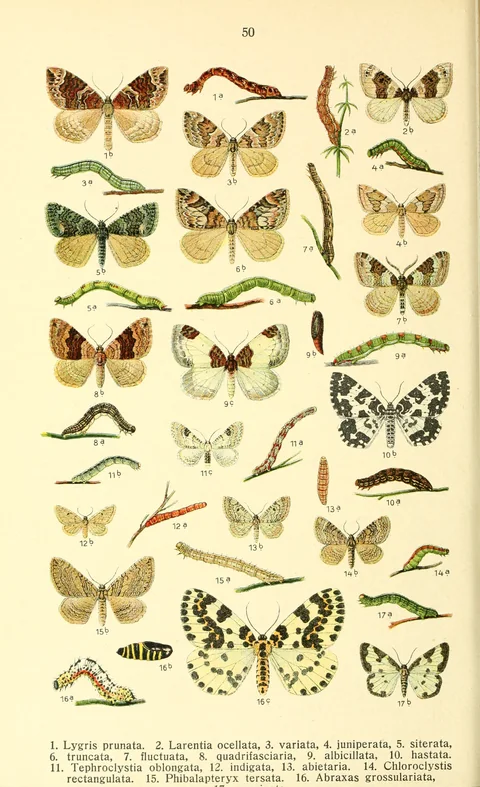
Eckstein, plate 50
The Magpie, carpet moths and pugs
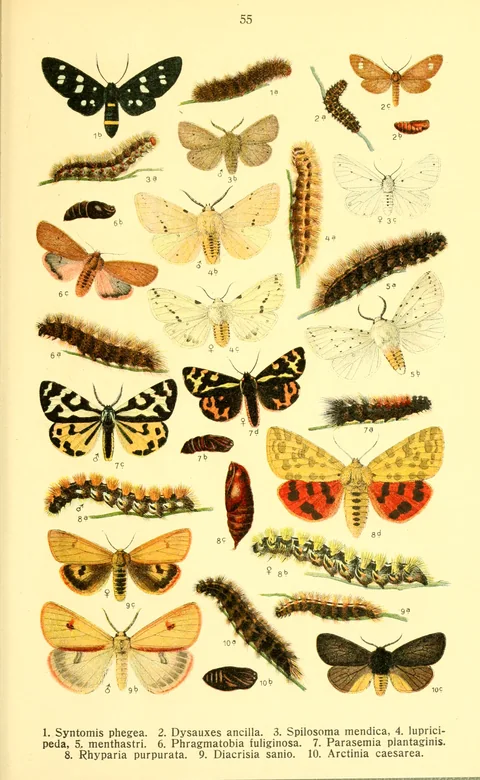
Eckstein, plate 55
The Wood Tiger, the ermines and other tiger moths
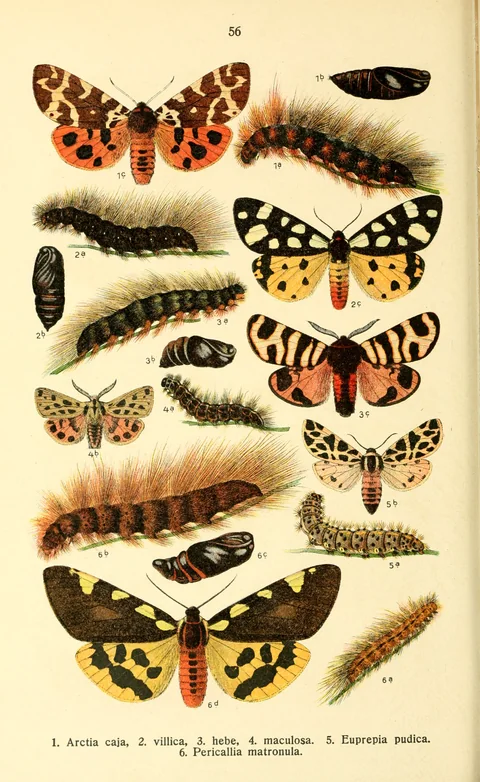
Eckstein, plate 56
The Garden Tiger, the Cream-spot Tiger and other tiger moths
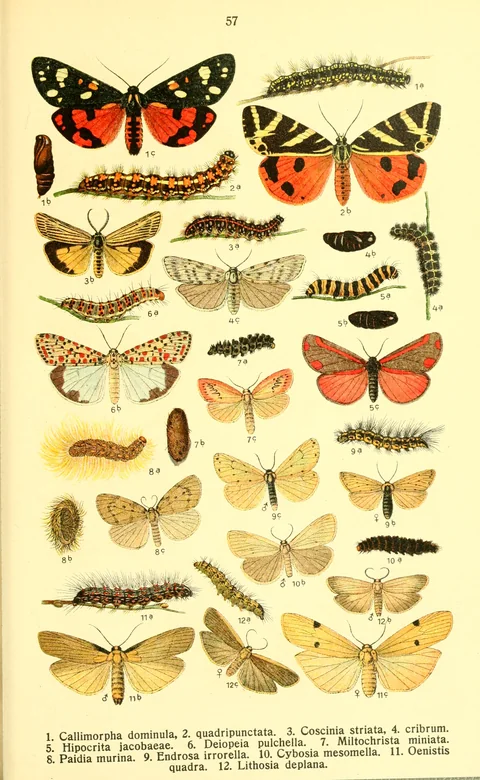
Eckstein, plate 57
The Cinnabar, the Scarlet and Jersey Tigers and the footmen
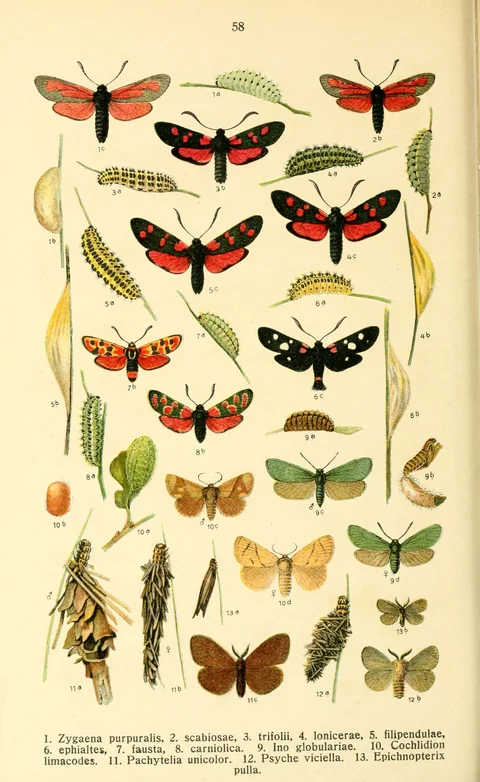
Eckstein, plate 58
Burnet moths, foresters and bagworms
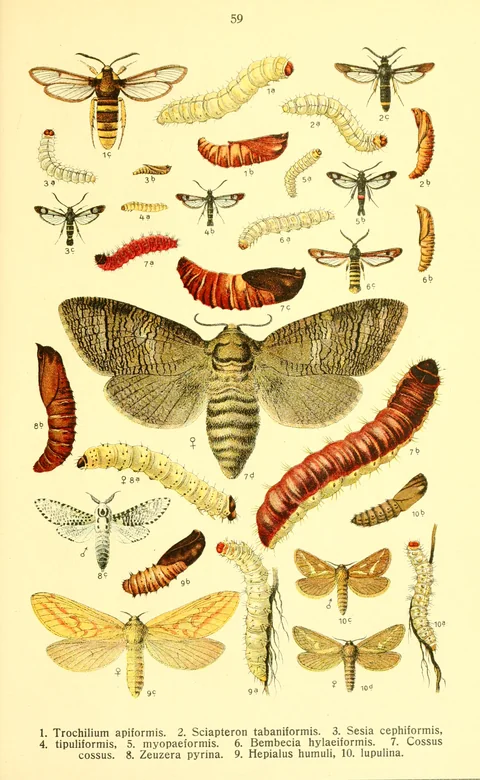
Eckstein, plate 59
Clearwings, the Goat and Leopard Moths, and the Ghost Moth
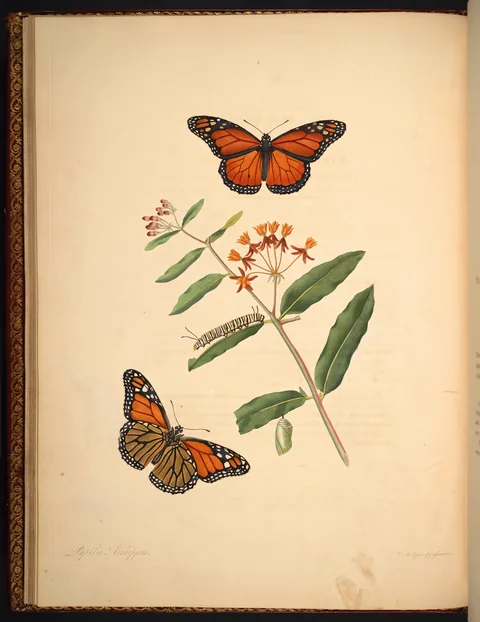
Abbot and Smith, Tab. VI
The Monarch, with its caterpillar and chrysalis on milkweed
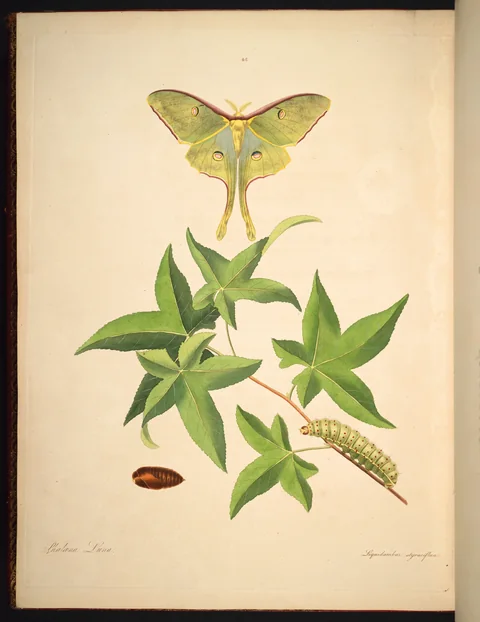
Abbot and Smith, Tab. XLVIII
The Luna Moth, with its caterpillar and chrysalis on sweet gum
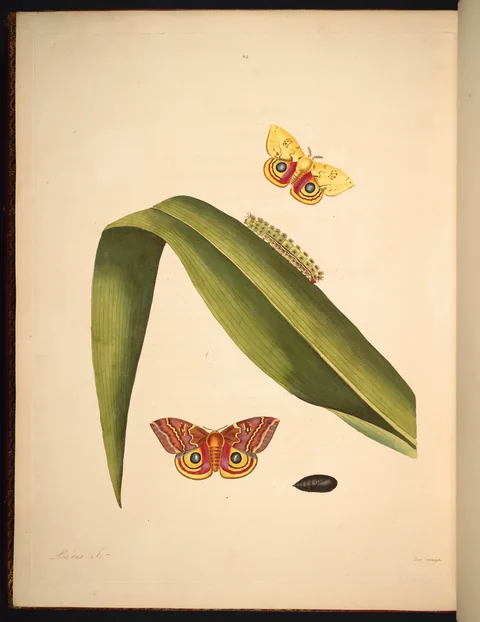
Abbot and Smith, Tab. XLIX
The Io Moth, male and female, with its caterpillar and chrysalis on maize
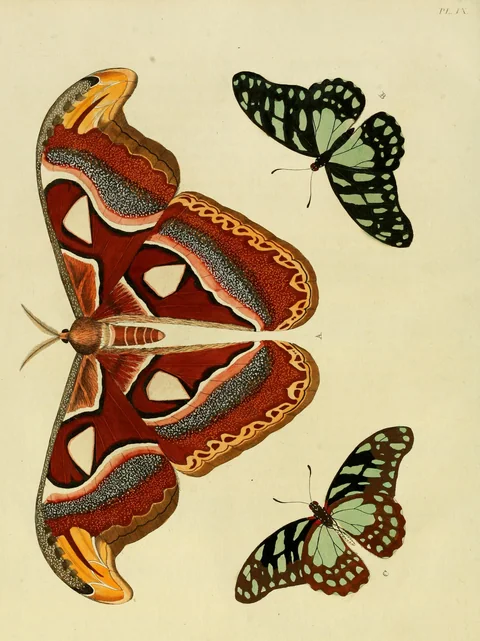
Cramer and Stoll, plate IX
The Atlas moth and two butterflies
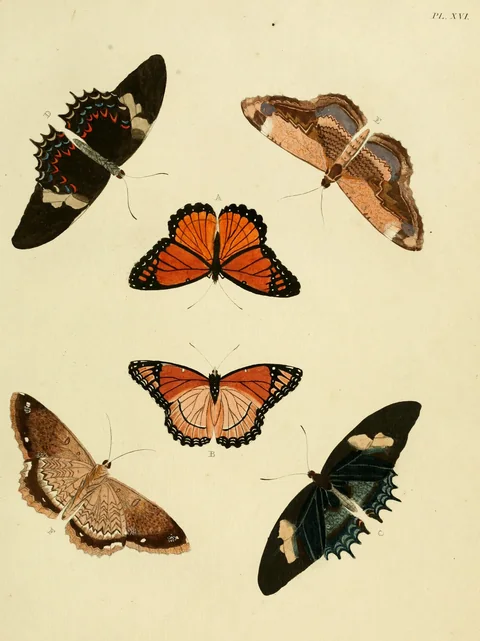
Cramer and Stoll, plate XVI
The Viceroy and other butterflies and moths
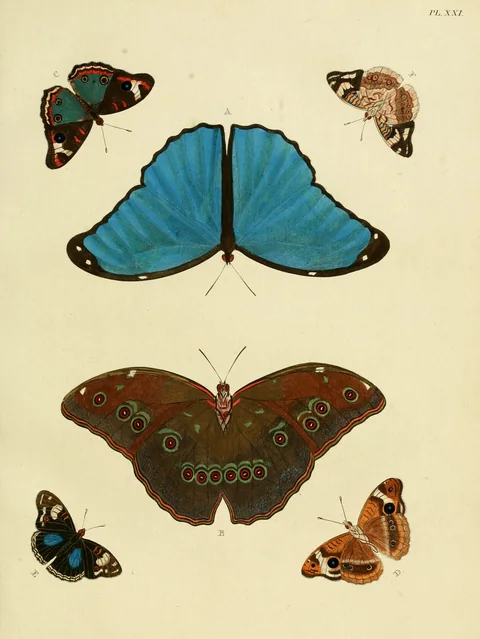
Cramer and Stoll, plate XXI
A blue morpho and five other butterflies
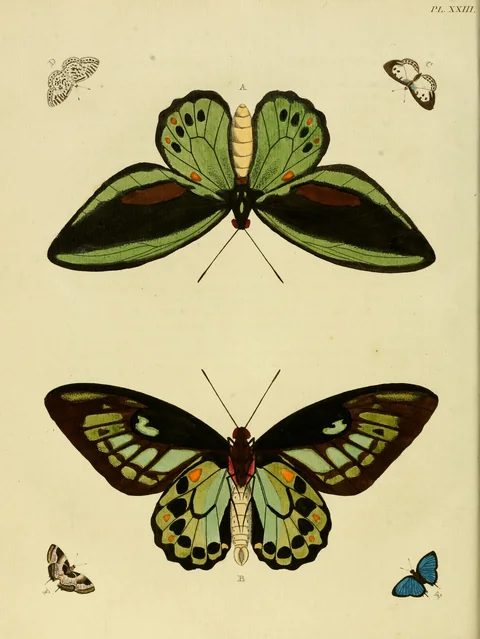
Cramer and Stoll, plate XXIII
Priam's Birdwing
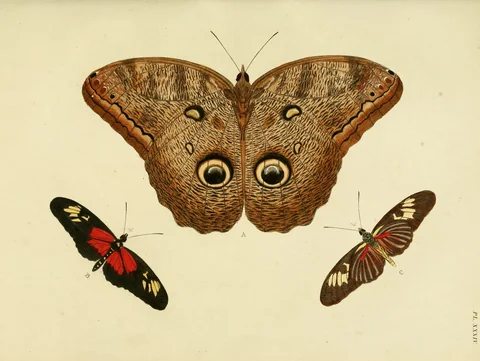
Cramer and Stoll, plate XXXIV
An Owl Butterfly and two smaller butterflies
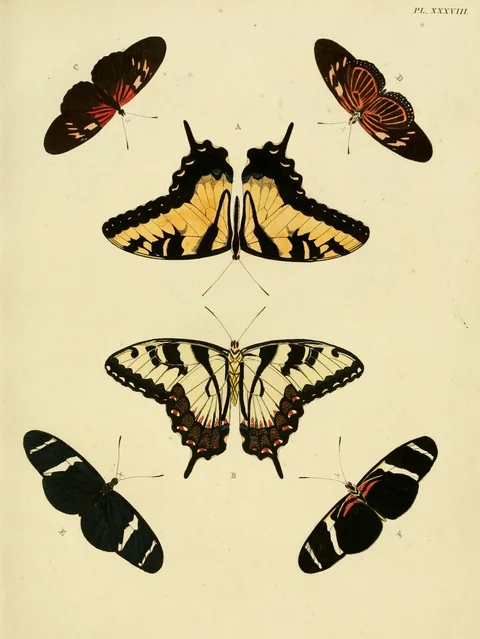
Cramer and Stoll, plate XXXVIII
The Tiger Swallowtail and four smaller butterflies
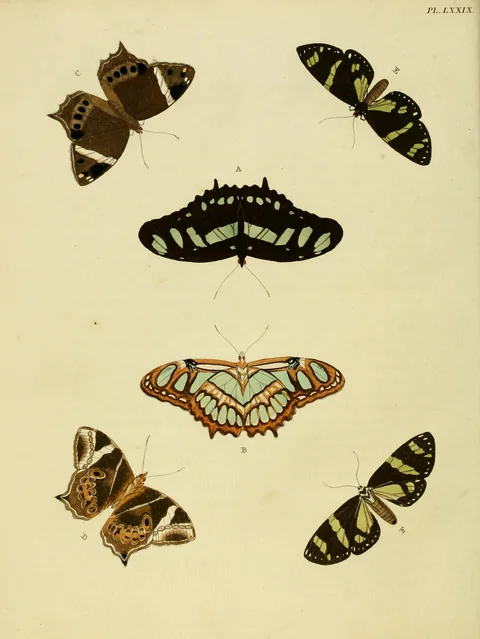
Cramer and Stoll, plate LXXIX
The Malachite and other butterflies
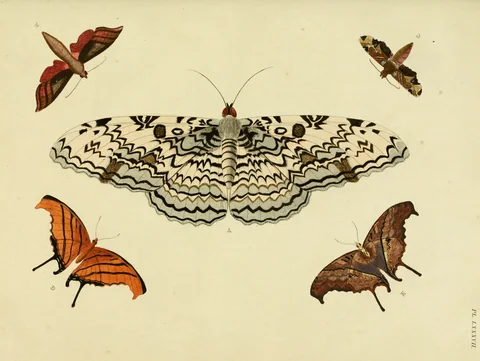
Cramer and Stoll, plate LXXXVII
The White Witch and four smaller moths and butterflies
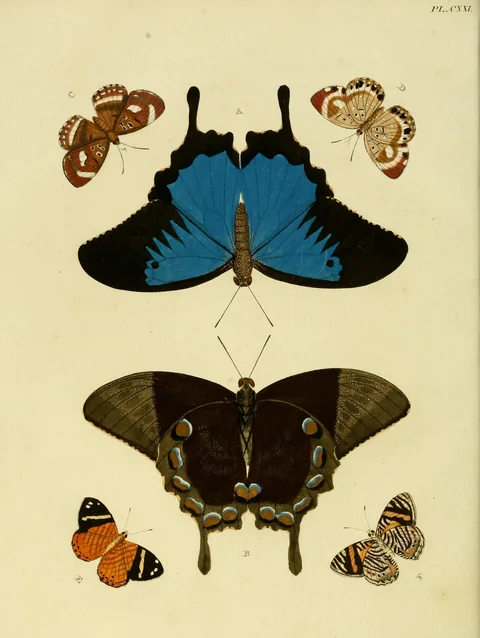
Cramer and Stoll, plate CXXI
The Ulysses Swallowtail and other butterflies
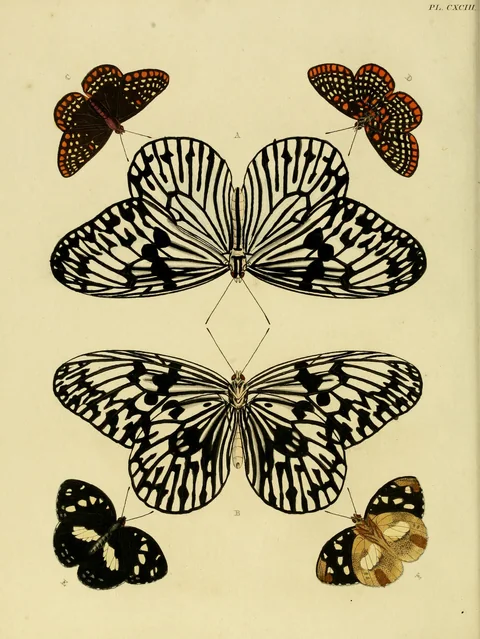
Cramer and Stoll, plate CXCIII
The Rice Paper Butterfly and four smaller butterflies
The books
Kurt Eckstein's Die Schmetterlinge Deutschlands (The Butterflies of Germany) was published in Stuttgart in five volumes between 1913 and 1923. Its colour plates show each species as the male, often the female and the underside, and very often its caterpillar and chrysalis on their food plant, drawn as a field naturalist would see them.
Pieter Cramer's De uitlandsche Kapellen (The Exotic Butterflies), completed by Caspar Stoll, was published in Amsterdam between 1775 and 1782: four volumes of butterflies and moths from Asia, Africa and the Americas, each engraved on copper and coloured by hand. Many species were described to science for the first time on its pages.
John Abbot painted the insects of colonial Georgia from life, each with its caterpillar, chrysalis and food plant on one sheet; James Edward Smith wrote the text in London, and the book was published there in 1797, its plates engraved and coloured by hand.
How each specimen was taken from its plate and brought to life in the game is told in the plates behind our game. For something to colour, the same butterflies are free colouring pages.