



 The Quiet Cabinet

A guide
Month by month
When to see Britain’s butterflies and moths, from the first Brimstone of spring to the last Merveille du Jour of autumn: 46 species from The Quiet Cabinet’s Field Guide, each with a page of its own in the Journal. Months are the usual ones; an early spring or a long summer moves them.
The year at a glance
| Species | J | F | M | A | M | J | J | A | S | O | N | D |
|---|---|---|---|---|---|---|---|---|---|---|---|---|
| Kentish Glory | 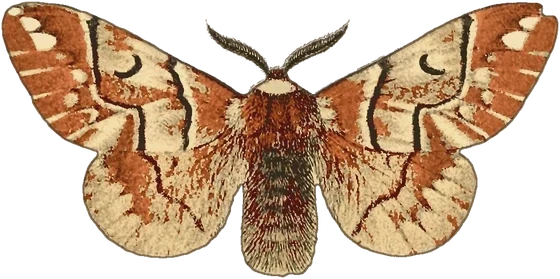 Kentish GloryMarch to May | |||||||||||
| Small Tortoiseshell | 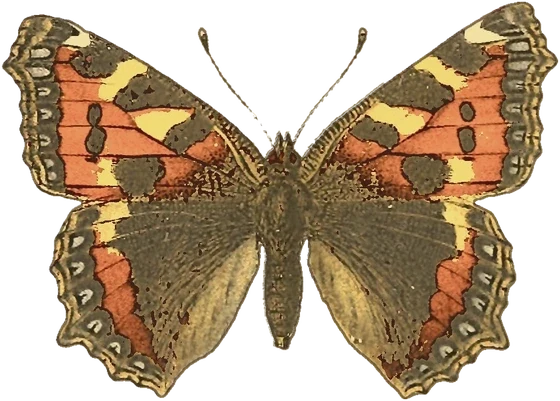 Small TortoiseshellMarch to September | |||||||||||
| Comma | 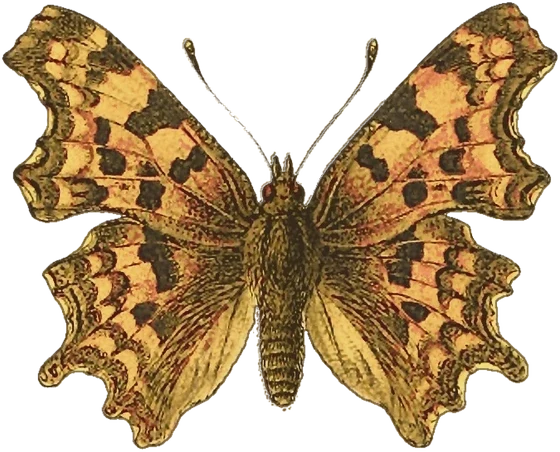 CommaMarch to September | |||||||||||
| Peacock | 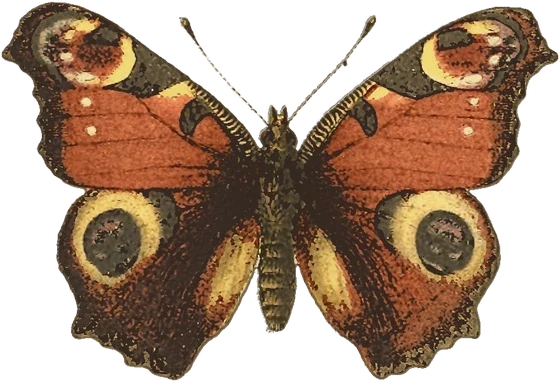 PeacockMarch to May and July to September | |||||||||||
| Herald | 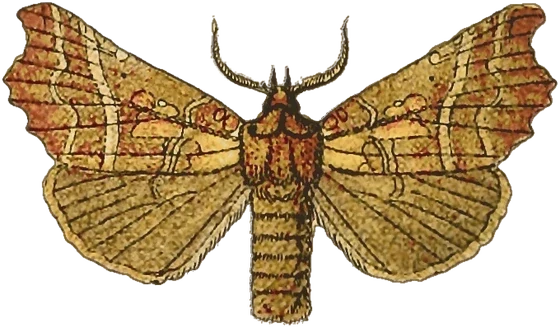 HeraldMarch to October | |||||||||||
| Emperor Moth | 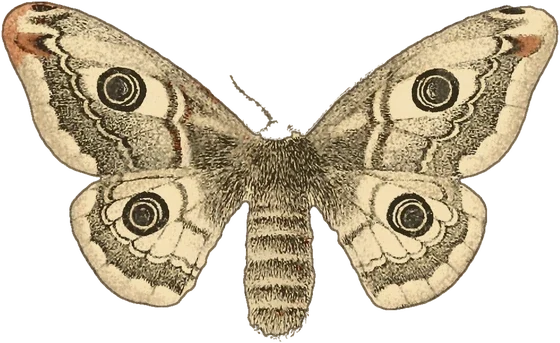 Emperor MothApril to May | |||||||||||
| Orange-tip | 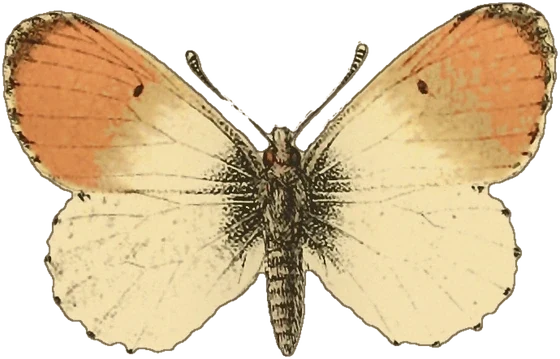 Orange-tipApril to June | |||||||||||
| Grizzled Skipper | 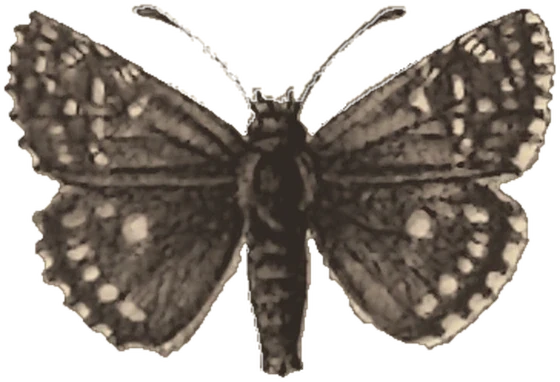 Grizzled SkipperApril to June | |||||||||||
| Holly Blue | 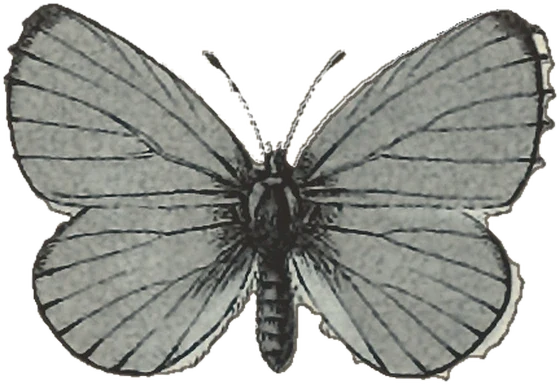 Holly BlueApril to May and July to August | |||||||||||
| Brimstone | 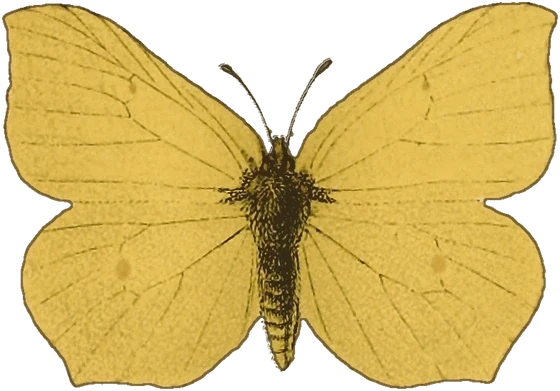 BrimstoneApril to May and August to September | |||||||||||
| Painted Lady | 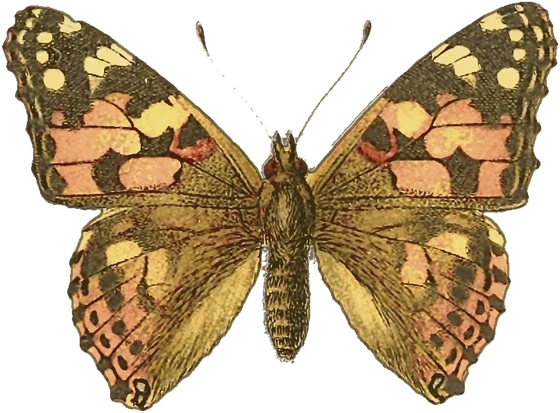 Painted LadyApril to September | |||||||||||
| Small Copper | 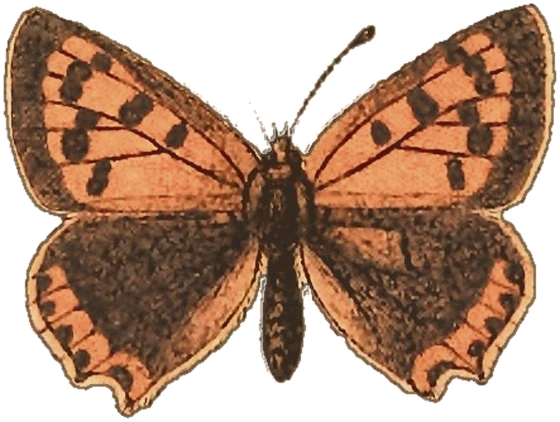 Small CopperApril to October | |||||||||||
| Mother Shipton | 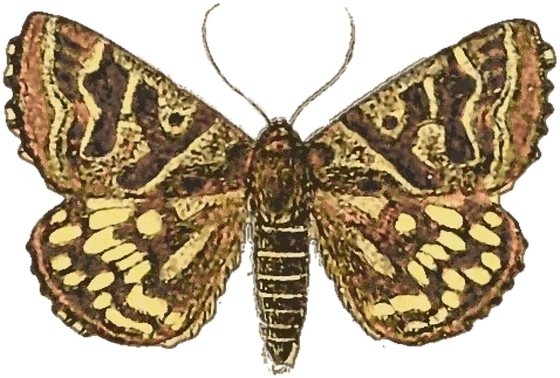 Mother ShiptonMay to June | |||||||||||
| Wood White | 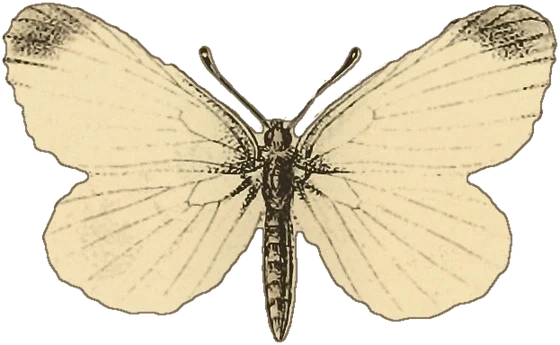 Wood WhiteMay to June | |||||||||||
| Cream-spot Tiger | 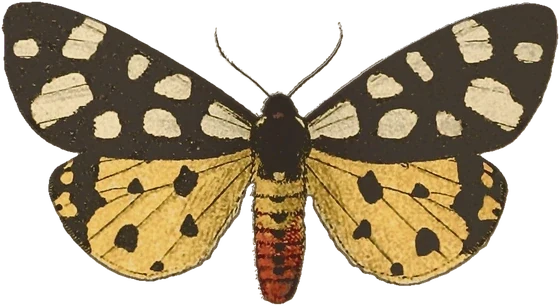 Cream-spot TigerMay to June | |||||||||||
| Swallowtail | 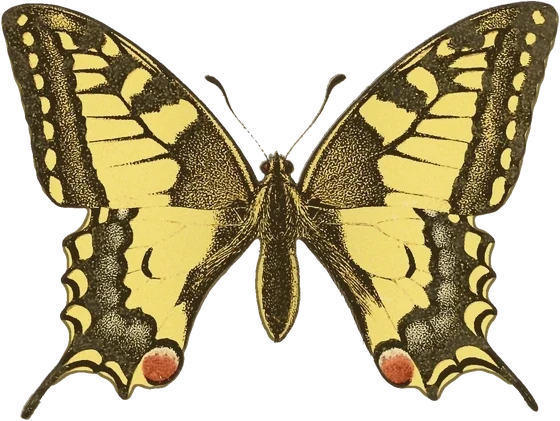 SwallowtailMay to July | |||||||||||
| Cinnabar | 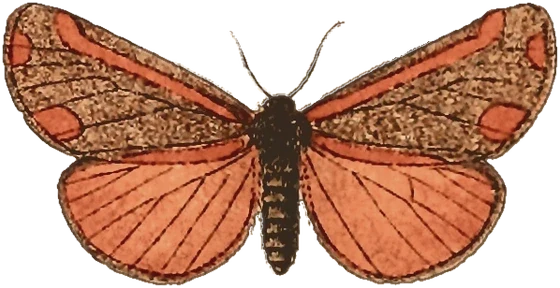 CinnabarMay to July | |||||||||||
| Wood Tiger | 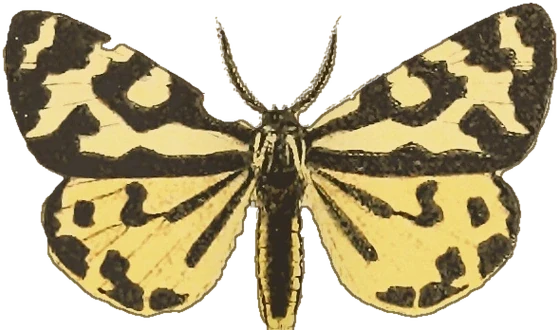 Wood TigerMay to July | |||||||||||
| Puss Moth | 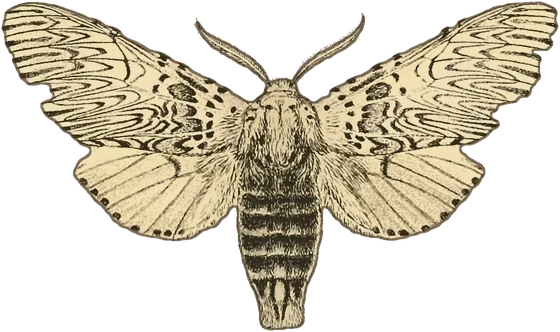 Puss MothMay to July | |||||||||||
| Eyed Hawk-moth | 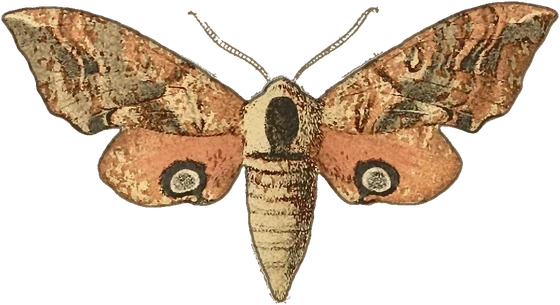 Eyed Hawk-mothMay to July | |||||||||||
| Common Blue | 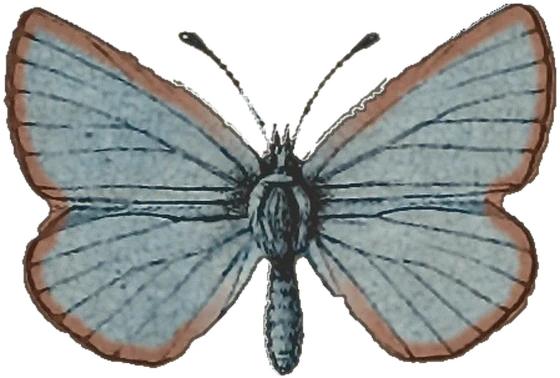 Common BlueMay to August | |||||||||||
| Wall | 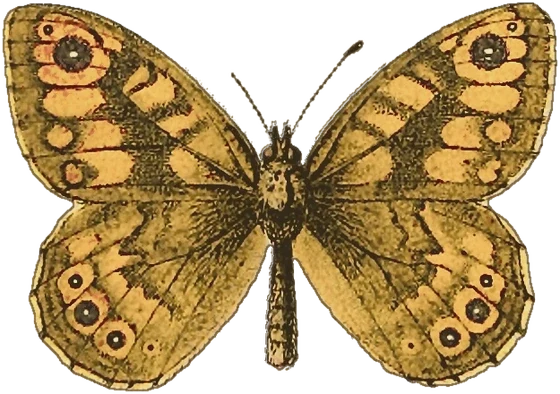 WallMay to August | |||||||||||
| Hummingbird Hawk-moth | 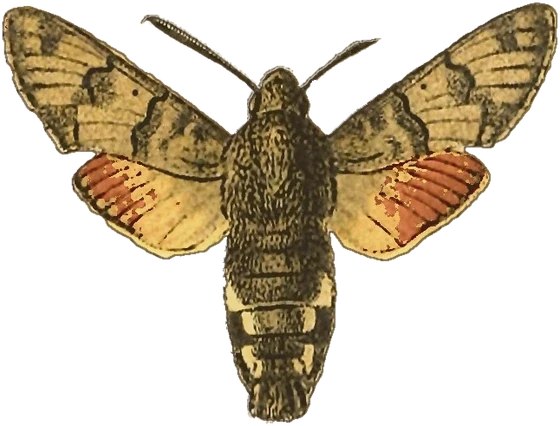 Hummingbird Hawk-mothMay to September | |||||||||||
| Small Heath | 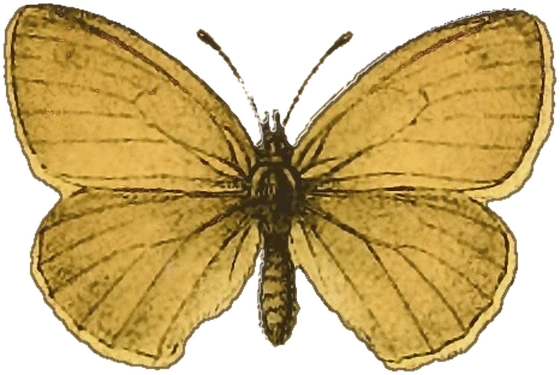 Small HeathMay to September | |||||||||||
| Red Admiral | 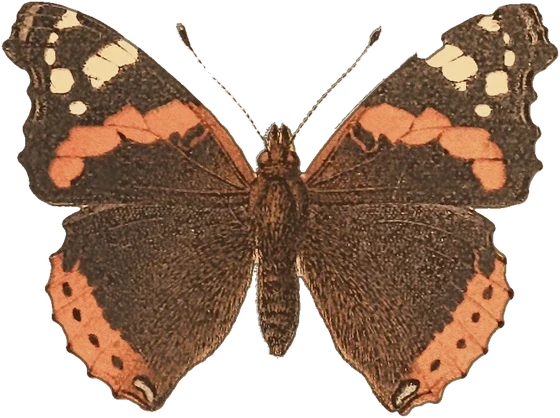 Red AdmiralMay to October | |||||||||||
| Marbled White | 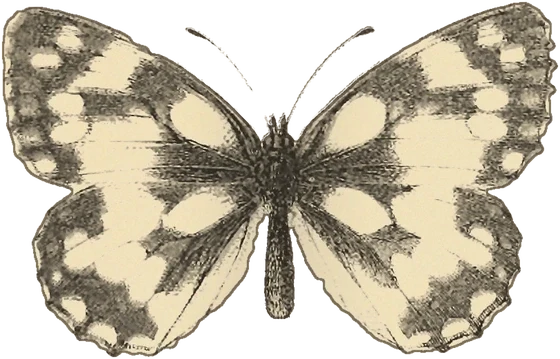 Marbled WhiteJune to July | |||||||||||
| Large Skipper | 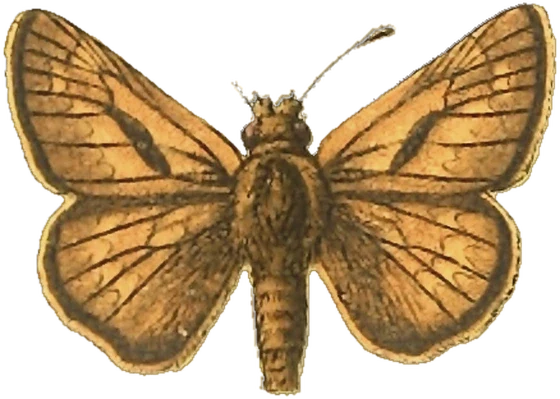 Large SkipperJune to July | |||||||||||
| Scarce Forester | 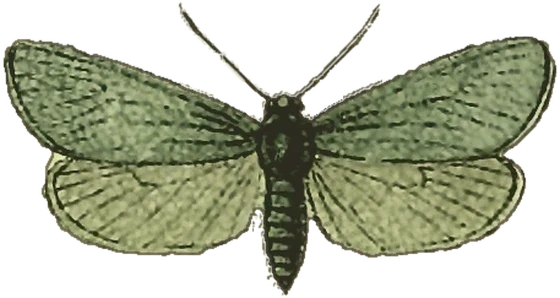 Scarce ForesterJune to July | |||||||||||
| Buff-tip |  Buff-tipJune to July | |||||||||||
| White Admiral | 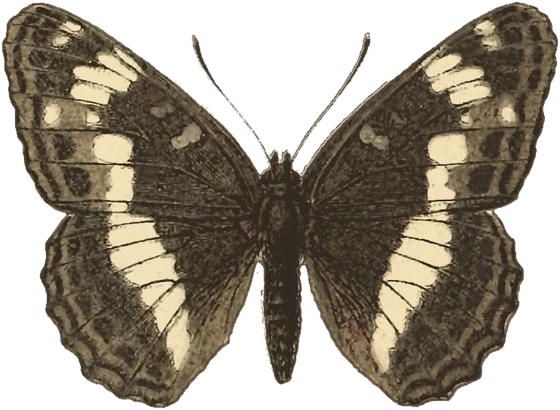 White AdmiralJune to July | |||||||||||
| Ghost Moth | 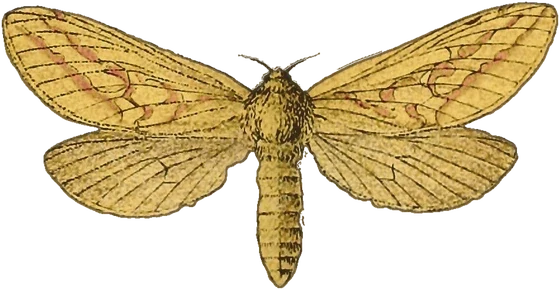 Ghost MothJune to July | |||||||||||
| Privet Hawk-moth | 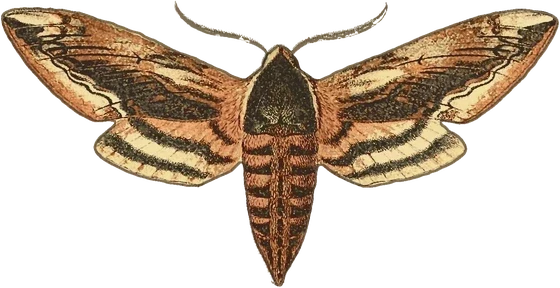 Privet Hawk-mothJune to July | |||||||||||
| Ringlet | 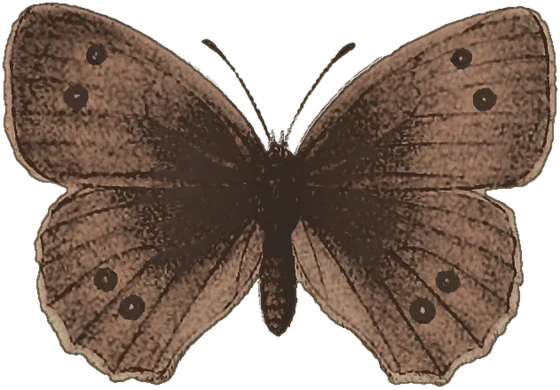 RingletJune to August | |||||||||||
| Six-spot Burnet | 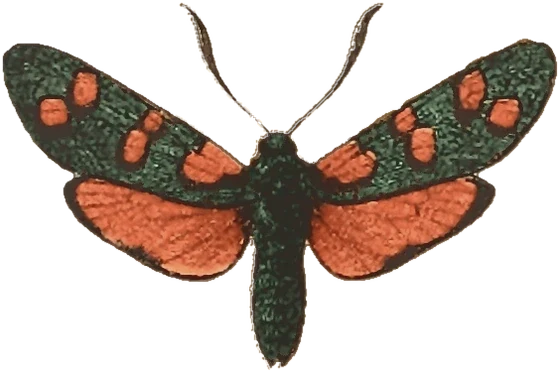 Six-spot BurnetJune to August | |||||||||||
| Clouded Yellow | 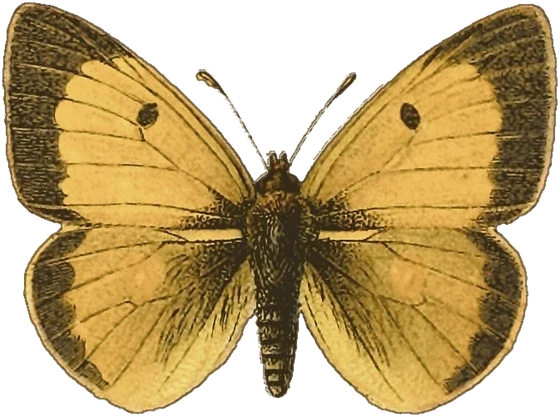 Clouded YellowJune to August | |||||||||||
| Dark Green Fritillary | 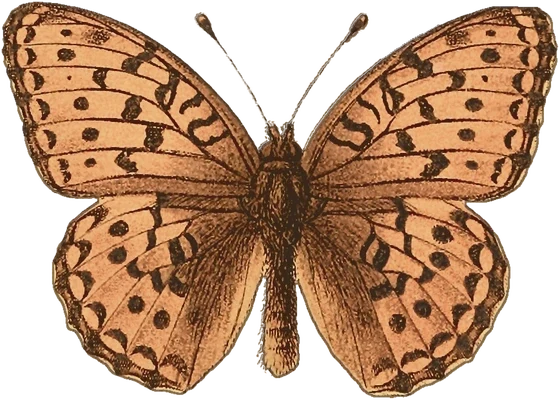 Dark Green FritillaryJune to August | |||||||||||
| Oak Eggar | 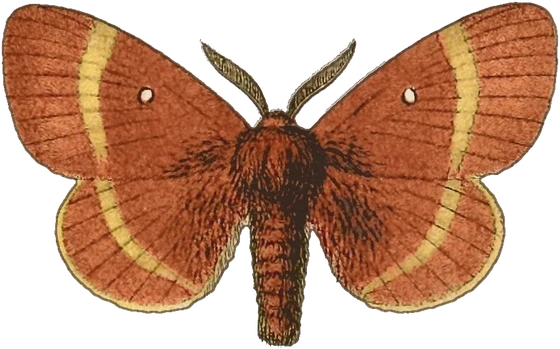 Oak EggarJune to August | |||||||||||
| Purple Emperor | 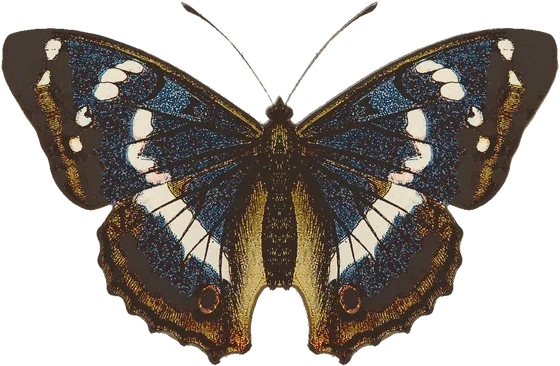 Purple EmperorJuly | |||||||||||
| Chalkhill Blue | 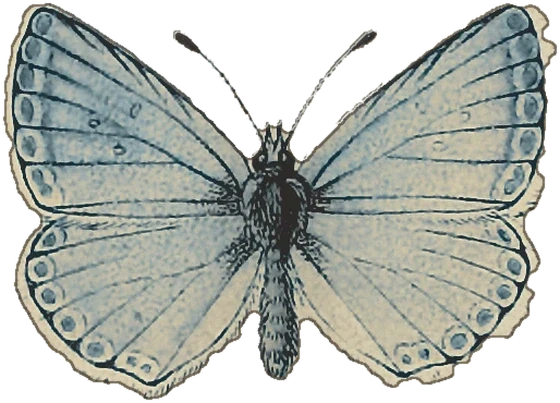 Chalkhill BlueJuly to August | |||||||||||
| Gatekeeper | 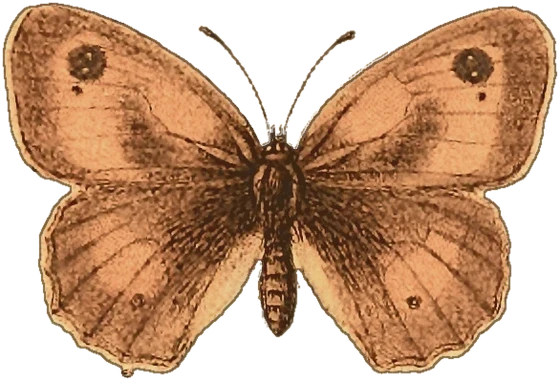 GatekeeperJuly to August | |||||||||||
| Purple Hairstreak | 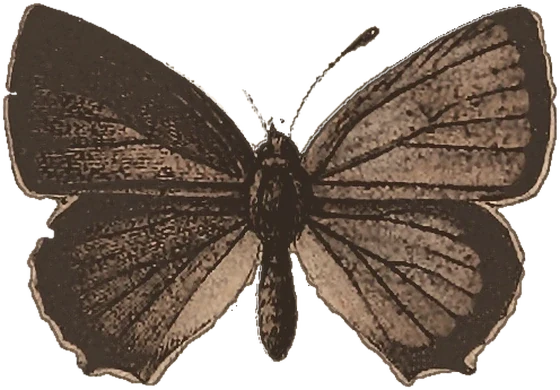 Purple HairstreakJuly to August | |||||||||||
| Silver-washed Fritillary | 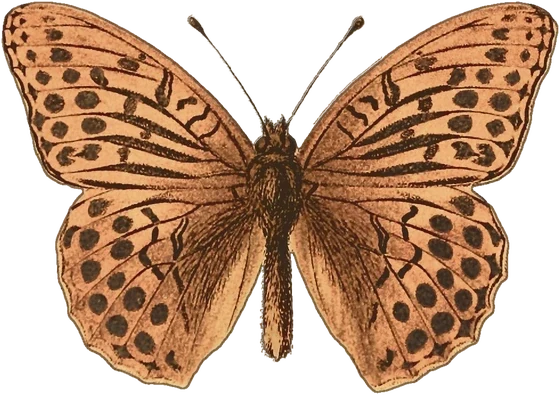 Silver-washed FritillaryJuly to August | |||||||||||
| Old Lady | 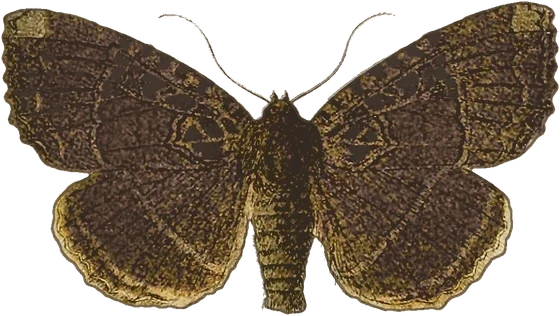 Old LadyJuly to August | |||||||||||
| Magpie | 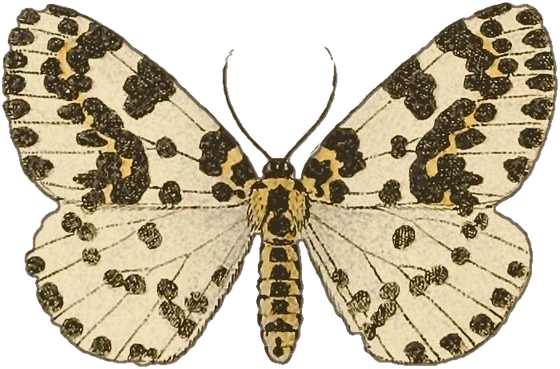 MagpieJuly to August | |||||||||||
| Broad-bordered Yellow Underwing |  Broad-bordered Yellow UnderwingJuly to September | |||||||||||
| Merveille du Jour | 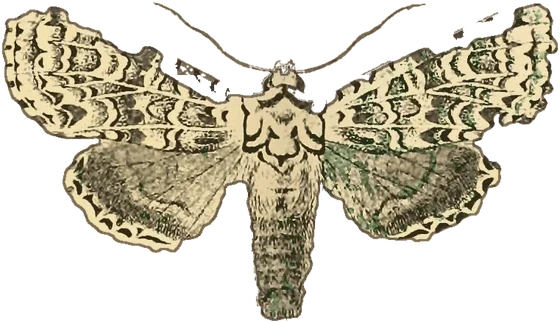 Merveille du JourSeptember to November | |||||||||||
March
The first warm days wake the butterflies that slept the winter as adults, and the Kentish Glory flies in the Highlands.
April
Spring's own butterflies come out: the Orange-tip along the lanes, the Holly Blue round the bushes, the Grizzled Skipper on the downs.
May
The first broods of the blues and the Wall, the day-flying moths of the meadows, and the Swallowtail in the Broads.
June
The longest days bring the browns, the burnets and the fritillaries, and the hawk-moths to the lamps at night.
- Common Blue
- Small Tortoiseshell
- Comma
- Painted Lady
- Swallowtail
- Red Admiral
- Hummingbird Hawk-moth
- Orange-tip
- Marbled White
- Ringlet
- Six-spot Burnet
- Clouded Yellow
- Small Heath
- Dark Green Fritillary
- Small Copper
- Large Skipper
- Cinnabar
- Scarce Forester
- Mother Shipton
- Wood Tiger
- Grizzled Skipper
- Wood White
- Oak Eggar
- Buff-tip
- White Admiral
- Puss Moth
- Ghost Moth
- Wall
- Herald
- Cream-spot Tiger
- Privet Hawk-moth
- Eyed Hawk-moth
July
The fullest month: the Purple Emperor in the treetops, the Marbled White and the Chalkhill Blue on the downs.
- Common Blue
- Small Tortoiseshell
- Comma
- Painted Lady
- Swallowtail
- Red Admiral
- Hummingbird Hawk-moth
- Marbled White
- Ringlet
- Six-spot Burnet
- Chalkhill Blue
- Clouded Yellow
- Small Heath
- Dark Green Fritillary
- Small Copper
- Gatekeeper
- Large Skipper
- Cinnabar
- Scarce Forester
- Wood Tiger
- Holly Blue
- Purple Hairstreak
- Silver-washed Fritillary
- Oak Eggar
- Buff-tip
- White Admiral
- Purple Emperor
- Puss Moth
- Ghost Moth
- Peacock
- Broad-bordered Yellow Underwing
- Wall
- Herald
- Old Lady
- Privet Hawk-moth
- Eyed Hawk-moth
- Magpie
August
The second broods, the late browns, and the migrants at their peak, feeding up on buddleia and thistles.
- Common Blue
- Brimstone
- Small Tortoiseshell
- Comma
- Painted Lady
- Red Admiral
- Hummingbird Hawk-moth
- Ringlet
- Six-spot Burnet
- Chalkhill Blue
- Clouded Yellow
- Small Heath
- Dark Green Fritillary
- Small Copper
- Gatekeeper
- Holly Blue
- Purple Hairstreak
- Silver-washed Fritillary
- Oak Eggar
- Peacock
- Broad-bordered Yellow Underwing
- Wall
- Herald
- Old Lady
- Magpie
September
The last of summer's butterflies feed hard before winter, and the Merveille du Jour begins to fly.
October
Red Admirals at the ivy flowers and the Merveille du Jour on the oaks; the sleepers look for shelter.
November
Almost all are gone or asleep; the last Merveilles du Jour fly in the oakwoods.
December to February: the sleepers
Most butterflies and moths spend the winter as an egg, a caterpillar or a chrysalis. A few spend it as adults, asleep, and a warm day can wake them.
Brimstone
Gonepteryx rhamni
Among ivy, holly and bramble, its leaf-shaped wings hiding it.
Peacock
Aglais io
In sheds, barns, hollow trees and wood piles; it hisses if disturbed.
Small Tortoiseshell
Aglais urticae
In sheds, garages and barns, often with others of its kind.
Comma
Polygonia c-album
On tree trunks, in hollow trees and log piles, among dead leaves.
Herald
Scoliopteryx libatrix
In caves, cellars and barns, sometimes many together.
Red Admiral
Vanessa atalanta
A few now stay through the winter in the far south of England.
The months come from each species’ own page in the Journal, which names its sources, most often Butterfly Conservation, UK Butterflies and UKMoths. For the plants their caterpillars need, see caterpillars, by what they eat.