



 The Quiet Cabinet

Wander,
gather,
listen.
Sort butterflies and moths from old natural history plates into wooden cases. No clock, no score: each case you complete adds an instrument to the music.
Explore the collection
Available on

The first collection
The Butterfly Collection
Sixty-four butterflies and moths from old natural history books, in five chapters and 280 plates.
The Garden
20 plates · free
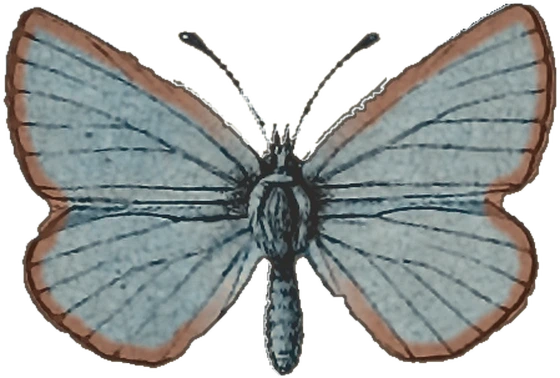
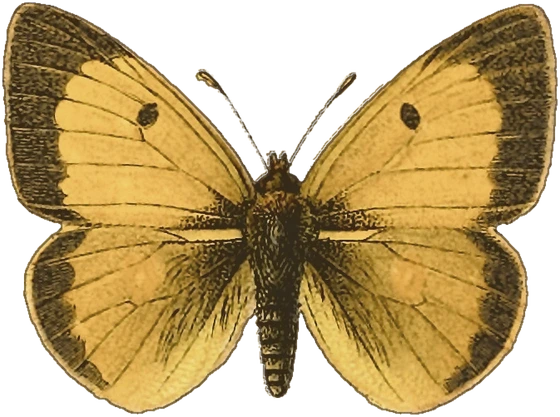
Common blues and brimstones, where it begins.
The Meadow
40 plates
Chalkhill blues and skippers in the long grass.
The Forest
60 plates
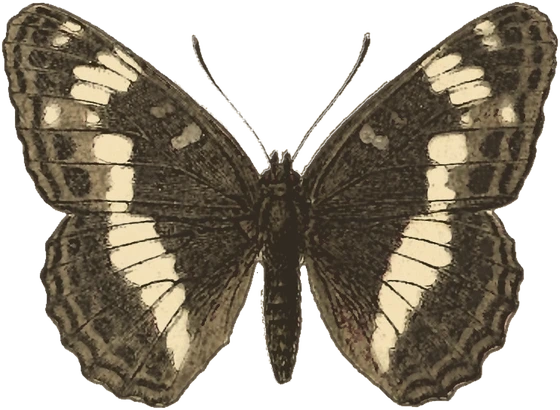
Fritillaries and white admirals under the oaks.
The Night Wing
80 plates
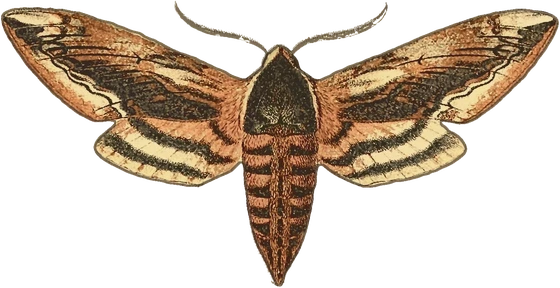
Hawk-moths and underwings by lamplight.
The Curiosity Cabinet
80 plates
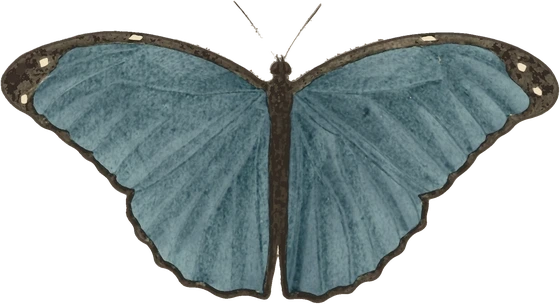
Morphos, birdwings and the luna moth.
Music that grows
Each case you complete adds an instrument to the piece you're playing.
A field guide
A page for every species: its plate, its caterpillar, its plant.
A specimen each day
A new plate every morning, and Still Mode for easy, endless play.
The Garden is free. The rest opens with the Butterfly Collection, yours to keep.
From the journal
Notes from the naturalist’s desk
The butterflies and moths of the Field Guide, one at a time.

Black-veined White: the butterfly Britain lost
Aporia crataegi
A large white butterfly with black veins, lost from Britain around 1925 for reasons still unknown. Its story, its caterpillars' silk nests, its strange female.

Broad-bordered Yellow Underwing: orange hidden beneath
Noctua fimbriata
A brown late-summer moth that hides bright orange hindwings with a broad black border, showing them only in flight. How to know it, and its many forms.

Buff-tip moth: the moth that looks like a broken twig
Phalera bucephala
A moth that rests looking just like a snapped birch twig, whose yellow-and-black caterpillars feed in crowds and strip branches bare. How to know the Buff-tip.