



 The Quiet Cabinet

A guide
British butterflies
Britain has around sixty kinds of butterfly. Here are the twenty-seven that live in The Quiet Cabinet's Field Guide, grouped by family, the easiest first step to naming one. Each has a page of its own in the Journal, with how to recognise it, where to see it and what its caterpillar eats.
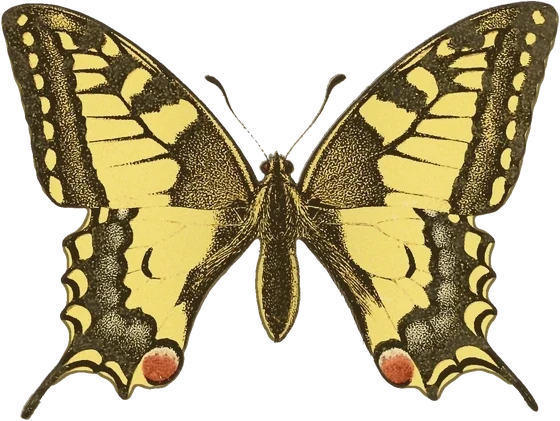
The swallowtail
Britain's only native member of the family, and its largest butterfly.
Whites and yellows
Pale butterflies of spring and summer, many with caterpillars on the cabbage and pea families.
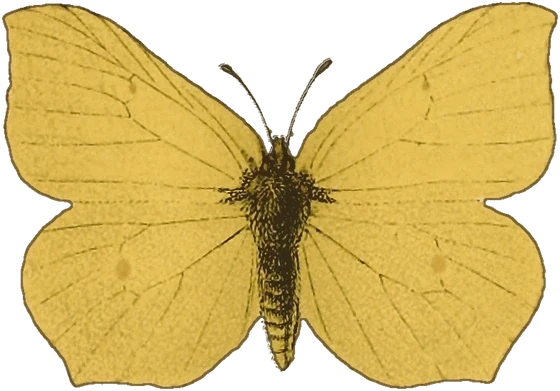
Brimstone
Gonepteryx rhamni
Butter-yellow; out on the first warm days of spring, after sleeping the winter.
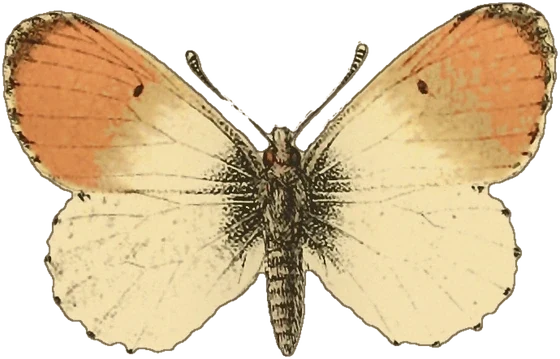
Orange-tip
Anthocharis cardamines
Only the male has the orange tips; flies April to June.
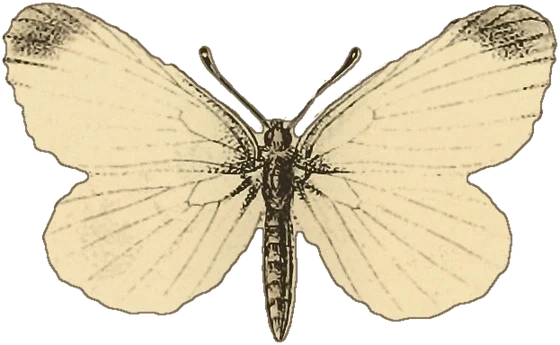
Wood White
Leptidea sinapis
Small, slow and round-winged, in sheltered woodland rides; Endangered.
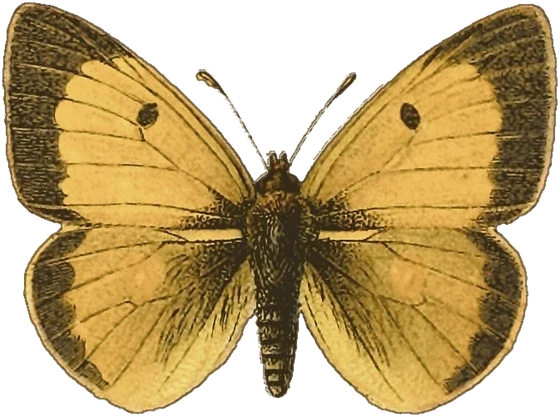
Clouded Yellow
Colias croceus
A golden migrant from the south; always rests with its wings closed.
Blues, coppers and hairstreaks
Small, bright butterflies, several with caterpillars that ants tend.
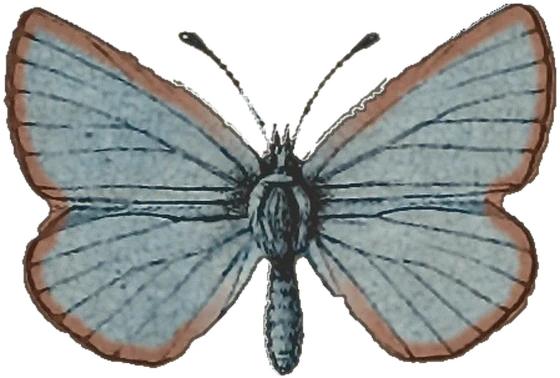
Common Blue
Polyommatus icarus
The commonest blue; the female is brown in the south, bluer in the north.
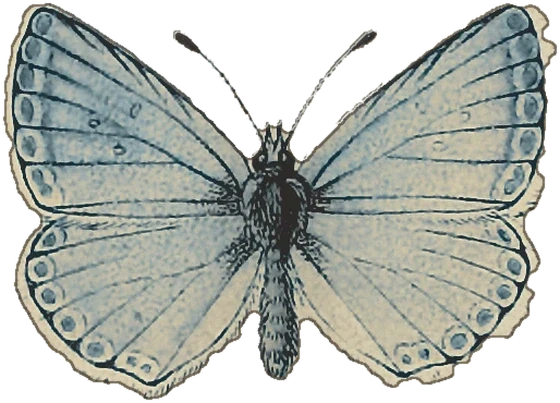
Chalkhill Blue
Polyommatus coridon
Milky silver-blue; only on southern chalk and limestone downs.
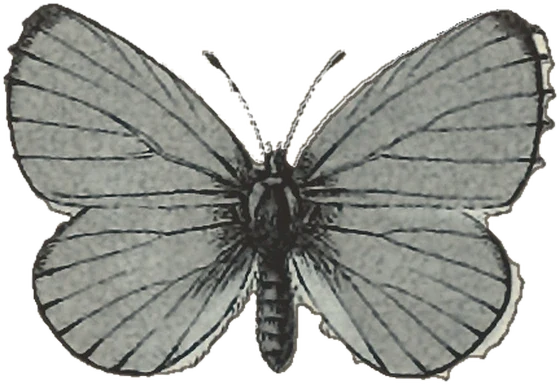
Holly Blue
Celastrina argiolus
The first blue of spring, flying high round bushes and trees.
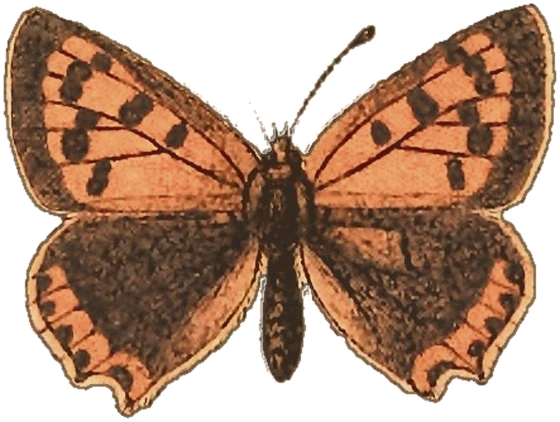
Small Copper
Lycaena phlaeas
Tiny and gleaming copper; the male guards a sunny patch of ground.
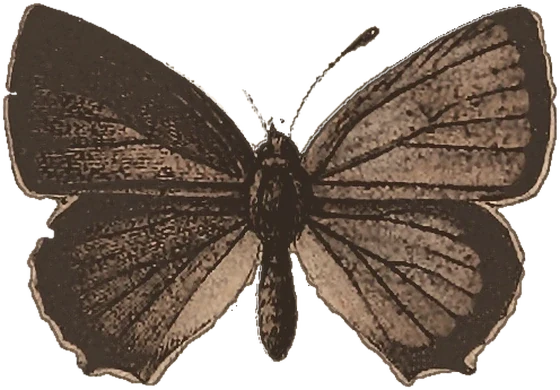
Purple Hairstreak
Favonius quercus
Lives high in the oaks; best seen on warm July evenings.
Browns
Mostly brown and orange, with eyespots; their caterpillars eat grasses.
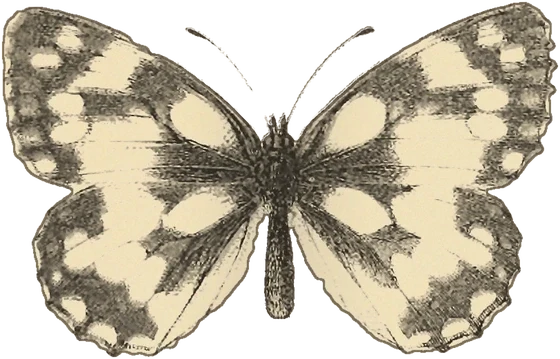
Marbled White
Melanargia galathea
Chequered black and white, yet a brown, not a white; July.
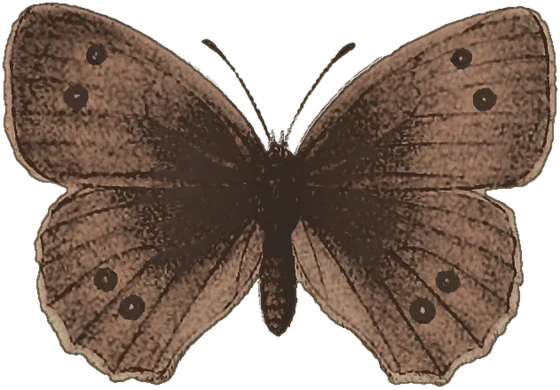
Ringlet
Aphantopus hyperantus
Dark and velvety, with rings beneath; flies even on cloudy days.
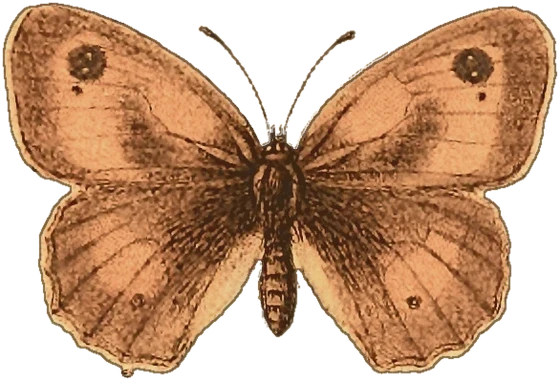
Gatekeeper
Pyronia tithonus
Orange and brown, by hedges and gates; two white pupils in each eyespot.
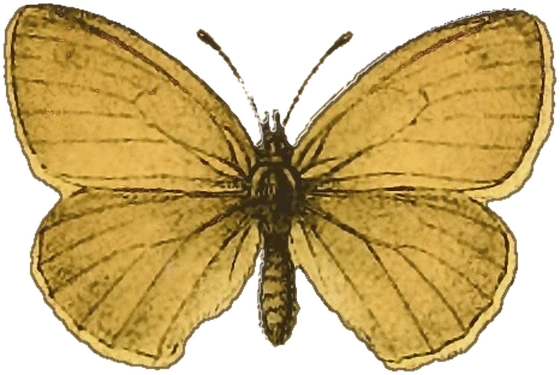
Small Heath
Coenonympha pamphilus
The smallest brown, fluttering low over short grass.
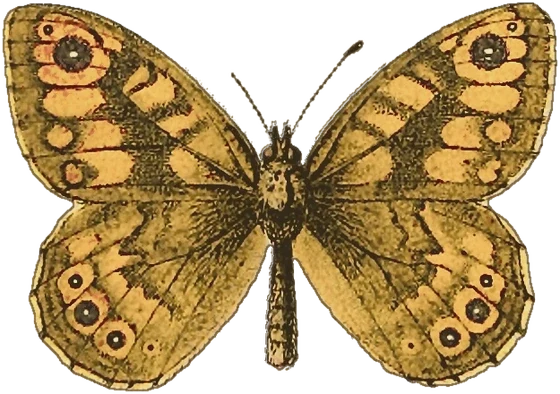
Wall
Lasiommata megera
Basks on walls and stones; now scarce inland and Endangered.
Tortoiseshells, admirals, fritillaries and emperors
Large, strong fliers; several sleep the winter as butterflies, and many caterpillars eat nettles.
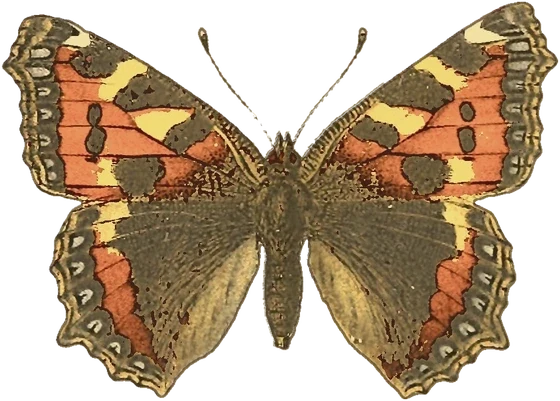
Small Tortoiseshell
Aglais urticae
Orange, black and yellow with blue crescents; a garden favourite.
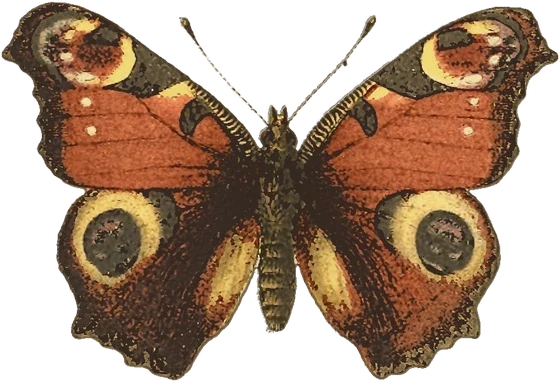
Peacock
Aglais io
Four great eyespots; hisses when disturbed in its winter sleep.
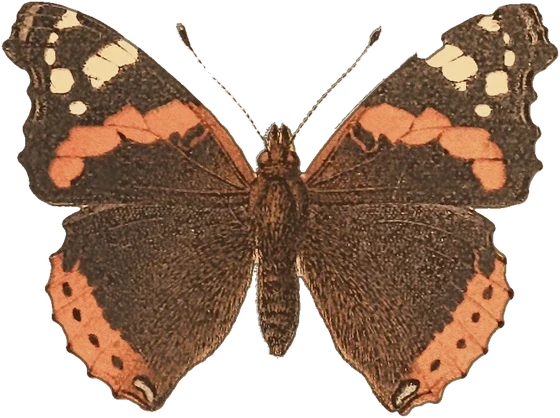
Red Admiral
Vanessa atalanta
Velvety black with red bands; feeds at ivy in autumn.
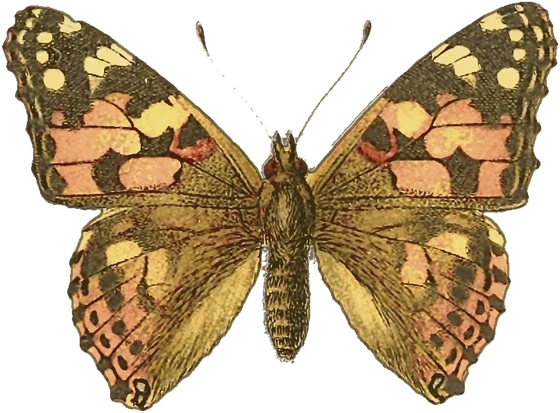
Painted Lady
Vanessa cardui
A migrant from the desert's edge; none survive a British winter.
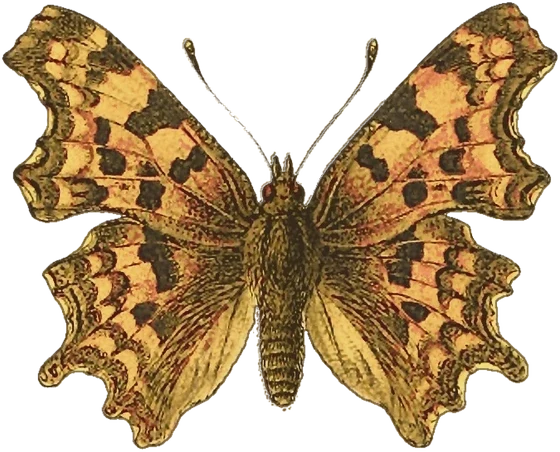
Comma
Polygonia c-album
Ragged wings and a white comma beneath; nearly lost in the 1800s, now widespread.
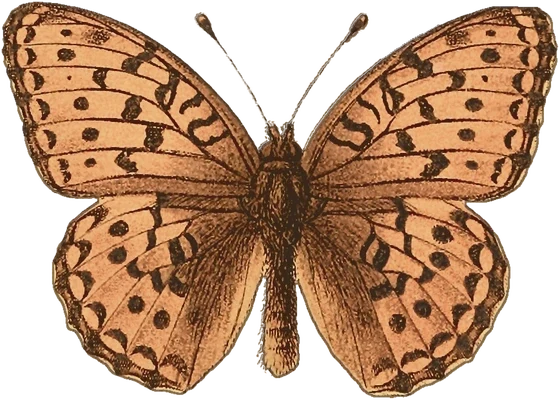
Dark Green Fritillary
Speyeria aglaja
Large and fast over the downs; green and silver beneath.
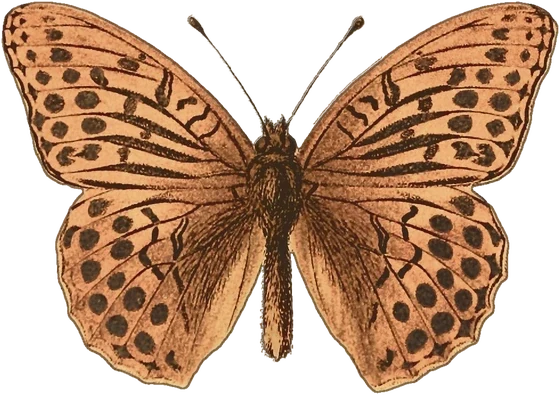
Silver-washed Fritillary
Argynnis paphia
Britain's largest fritillary, in sunny oakwood rides.
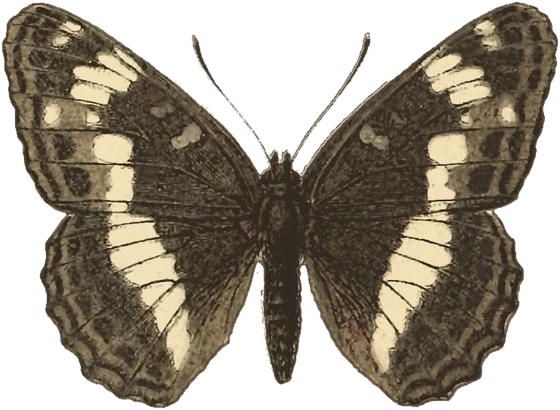
White Admiral
Limenitis camilla
Black and white, gliding through shady woods; Vulnerable.
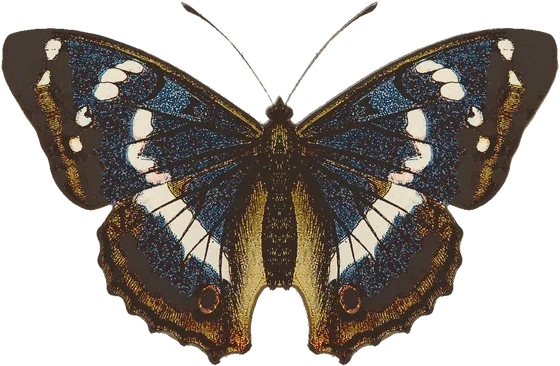
Purple Emperor
Apatura iris
High in the canopy of great woods; the male flashes purple.
Skippers
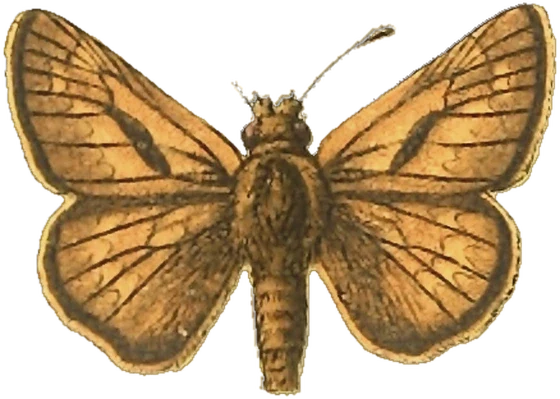
Small, quick and thick-bodied, half moth and half butterfly to look at.
Lost
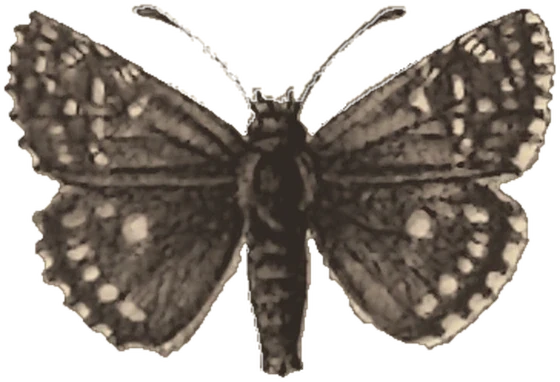
A butterfly Britain once had.

Every line here comes from the species’ own page in the Journal, which names its sources. The pictures are from old natural history plates, now in the public domain: the plates themselves are free to download, and each butterfly is a colouring page too.